 Angelica Rhoda
Travel
Why Wetlands Matter: Nature’s Unsung Heroes
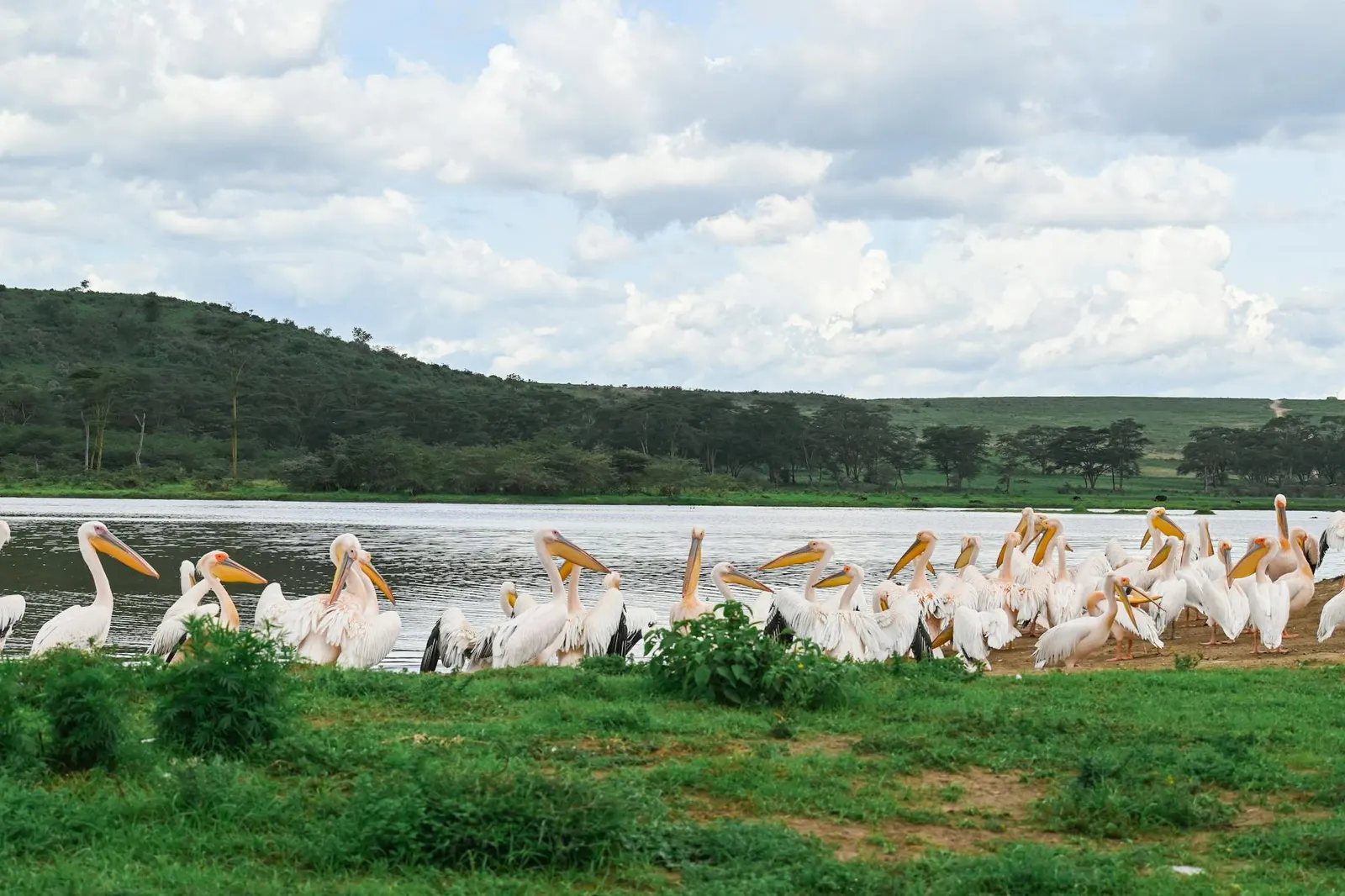
Imagine you’re standing at the edge of a marsh. The water reflects the sky in a seamless blend of blues and greens. The air buzzes with life, birds singing, insects humming, and reeds whispering in the breeze. This isn’t just a beautiful scene; it’s a lifeline for our planet. As a child, I spent countless hours exploring the wetlands near my home. Frogs croaked in chorus. Reeds rustled softly, and occasionally, a heron took flight, creating a stunning backdrop to my adventures. Those experiences instilled in me a deep appreciation for these vibrant, life-sustaining ecosystems. Sunday, as we marked Wetland Day, I reflected on those memories and the crucial role wetlands play in our environment.
- Nature’s Kidney: The Unsung Heroes
- Biodiversity Hotspots: Life’s Sanctuary
- The Alarming Disappearance
- How You Can Make a Difference
- Beyond the Marshes: Expanding Our Environmental Consciousness
- Conclusion: Guardians of Silence
Nature’s Kidney: The Unsung Heroes
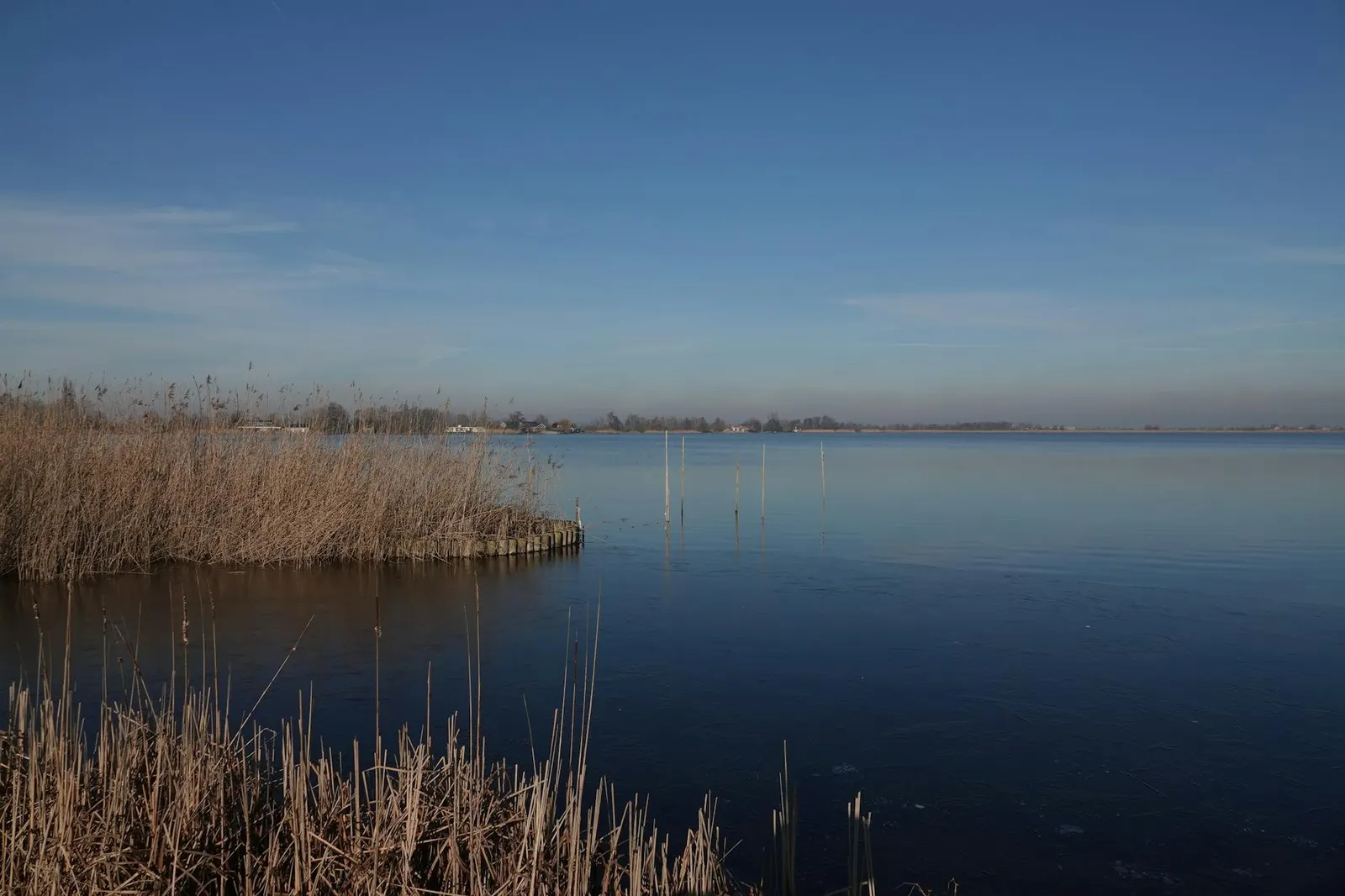
Wetlands are nature’s hidden heroes. Often overlooked, these ecosystems filter out pollutants. They purify our water. They act as natural shields against floods by absorbing excess rainfall. With climate change intensifying weather patterns, their role has never been more crucial.
Biodiversity Hotspots: Life’s Sanctuary
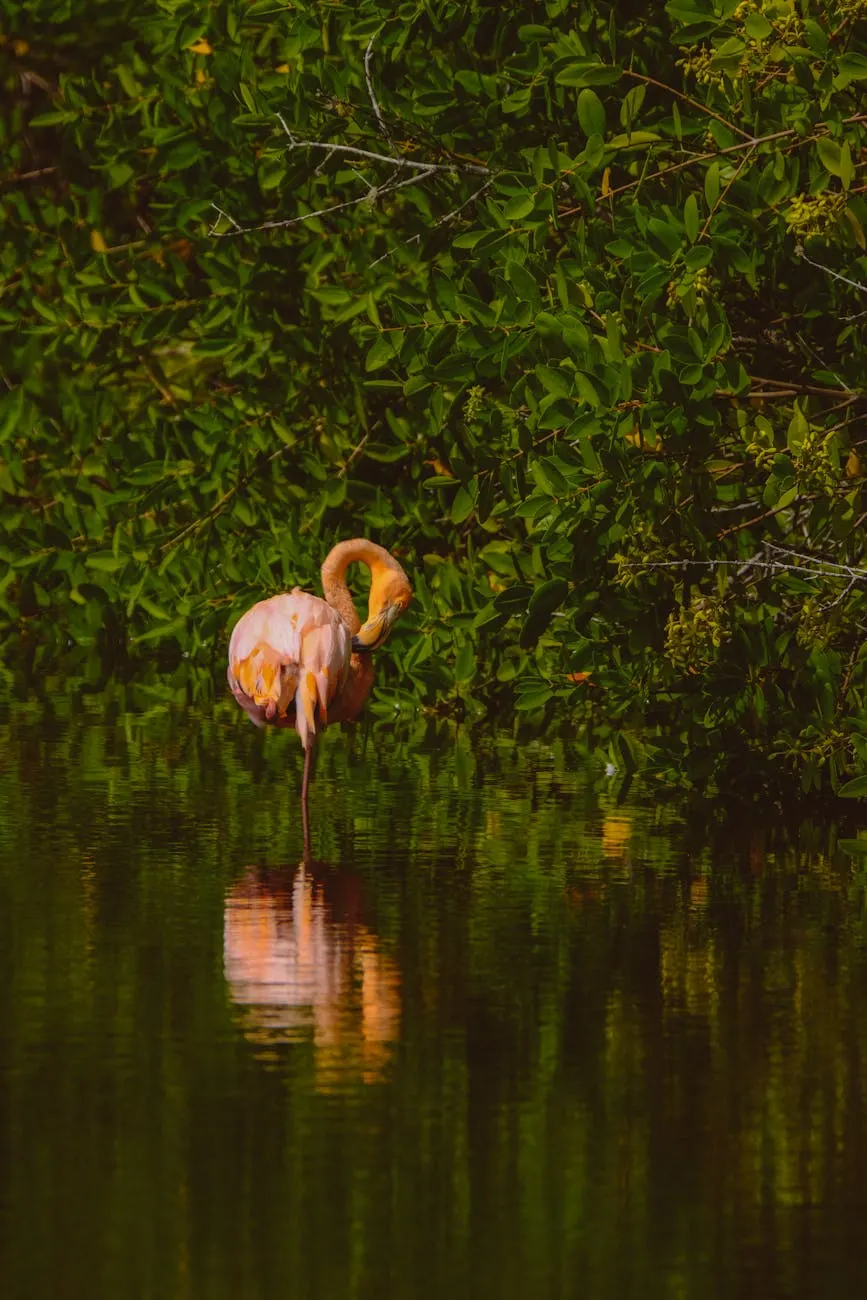
Wetlands are bustling hubs of biodiversity. They provide sanctuary to countless species of plants and animals. Many of these species are found nowhere else. From the graceful cranes to the secretive life beneath the water, wetlands showcase nature’s complexity and resilience.
The Alarming Disappearance
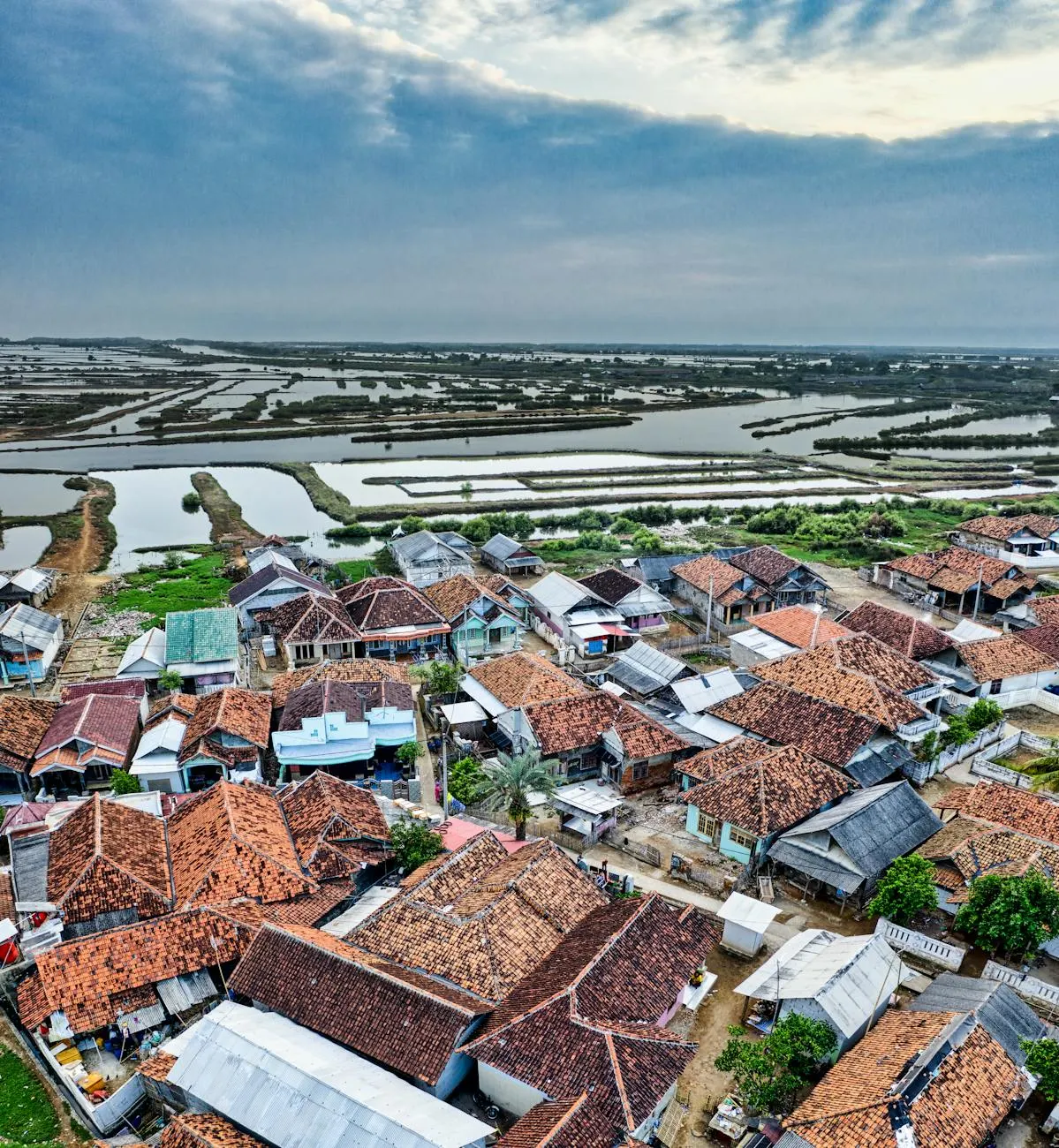
However, wetlands are vanishing at an alarming rate due to urban development, agriculture, and pollution. Each lost wetland disrupts the intricate balance that sustains life on our planet.
How You Can Make a Difference

Volunteer for Wetland Clean-up: I remember the first time I joined a local wetland clean-up event. It was a sunny Saturday morning, and I was amazed by the community’s dedication. Seeing the immediate impact of our efforts, removing trash and restoring the natural beauty was incredibly rewarding. Look for similar events in your area to make a hands-on difference.
Educate Others: I enjoy sharing my love for wetlands with friends and family. You can organise a small nature walk. Another option is to host an educational session. These activities can spark interest and raise awareness about the importance of these ecosystems. It’s a simple yet effective way to spread knowledge and inspire action.
Did You Know?
Wetlands play a crucial role in carbon sequestration. They trap carbon in their plant communities and soil. This helps mitigate climate change impacts. Protecting them secures a livable future.
Beyond the Marshes: Expanding Our Environmental Consciousness
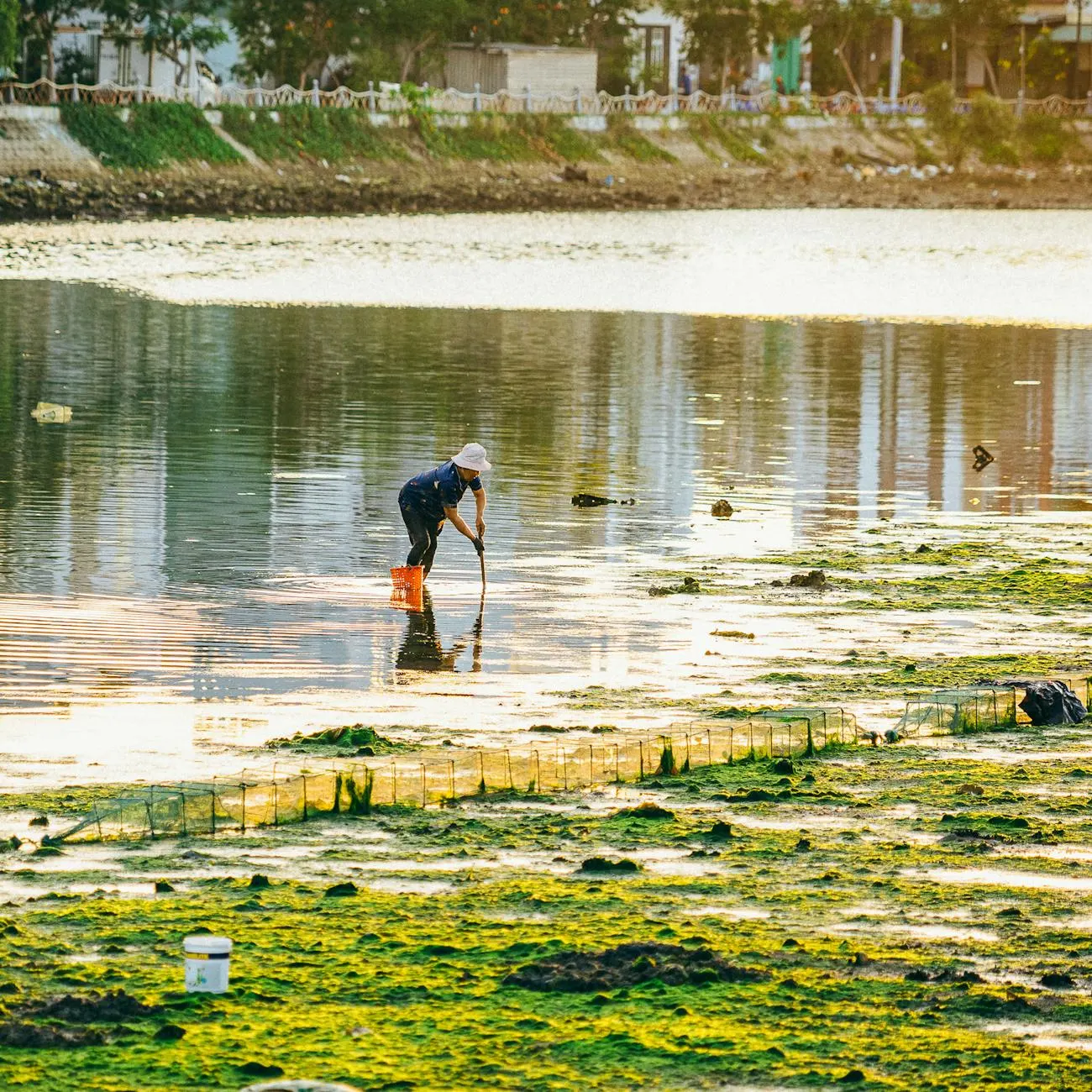
- The Ripple Effect: Wetlands influence global water cycles and weather patterns.
- Cultural Connections: Indigenous cultures hold wetlands sacred, deepening our appreciation and respect.
- Innovative Solutions: Constructed wetlands are used for wastewater treatment. Restoration projects combat sea-level rise. Human ingenuity finds ways to work with nature.
Conclusion: Guardians of Silence
Wetlands might not have the grandeur of mountains or the vastness of oceans, but they’re the lifeblood of our ecosystems. This Wetland Day, let’s commit to being their guardians. The silence of a wetland is full of life, vitality, and significance. Let’s ensure that this silence isn’t the quiet of disappearance but the calm of flourishing nature.
References
- Ramsar Convention on Wetlands. (2025). The importance of wetlands. Retrieved from https://www.ramsar.org/
- Wetlands International. (2025). Wetland conservation and restoration. Retrieved from https://www.wetlands.org/ Link: WWF – The Economic Value of Wetlands
- National Geographic. (2025). Wetlands: Nature’s filters. Retrieved from https://www.nationalgeographic.com/ Link: National Geographic – Wetlands: Cradle of Biodiversity
- Environmental Protection Agency. (2025). Wetlands protection and restoration. Retrieved from https://www.epa.gov/wetlands