 Angelica Rhoda
Live
The Hidden Truth About Our Trash
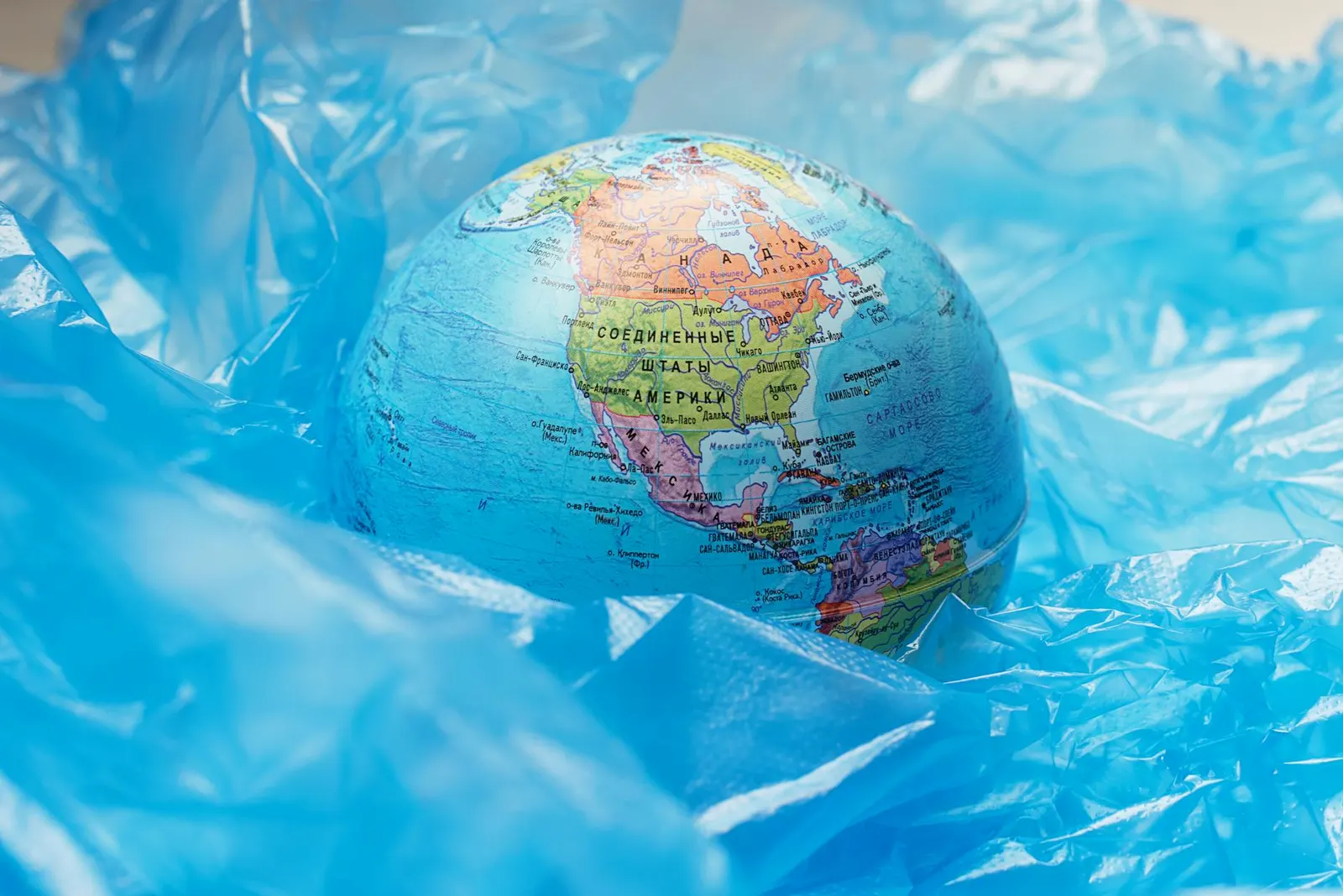
We’ve all heard it: reduce, reuse, recycle. It’s been drilled into us since forever, right? 🌍 It’s supposed to be the magic formula to save our planet. But after watching a Netflix documentary recently, I discovered that this isn’t the whole story. It’s a bit of a wake-up call, actually.
- The True Cycle of Garbage
- Where Most of Our Waste Ends Up
- Where This Consumerism Was Born
- What We Can Do to Lessen the Blow
The True Cycle of Garbage
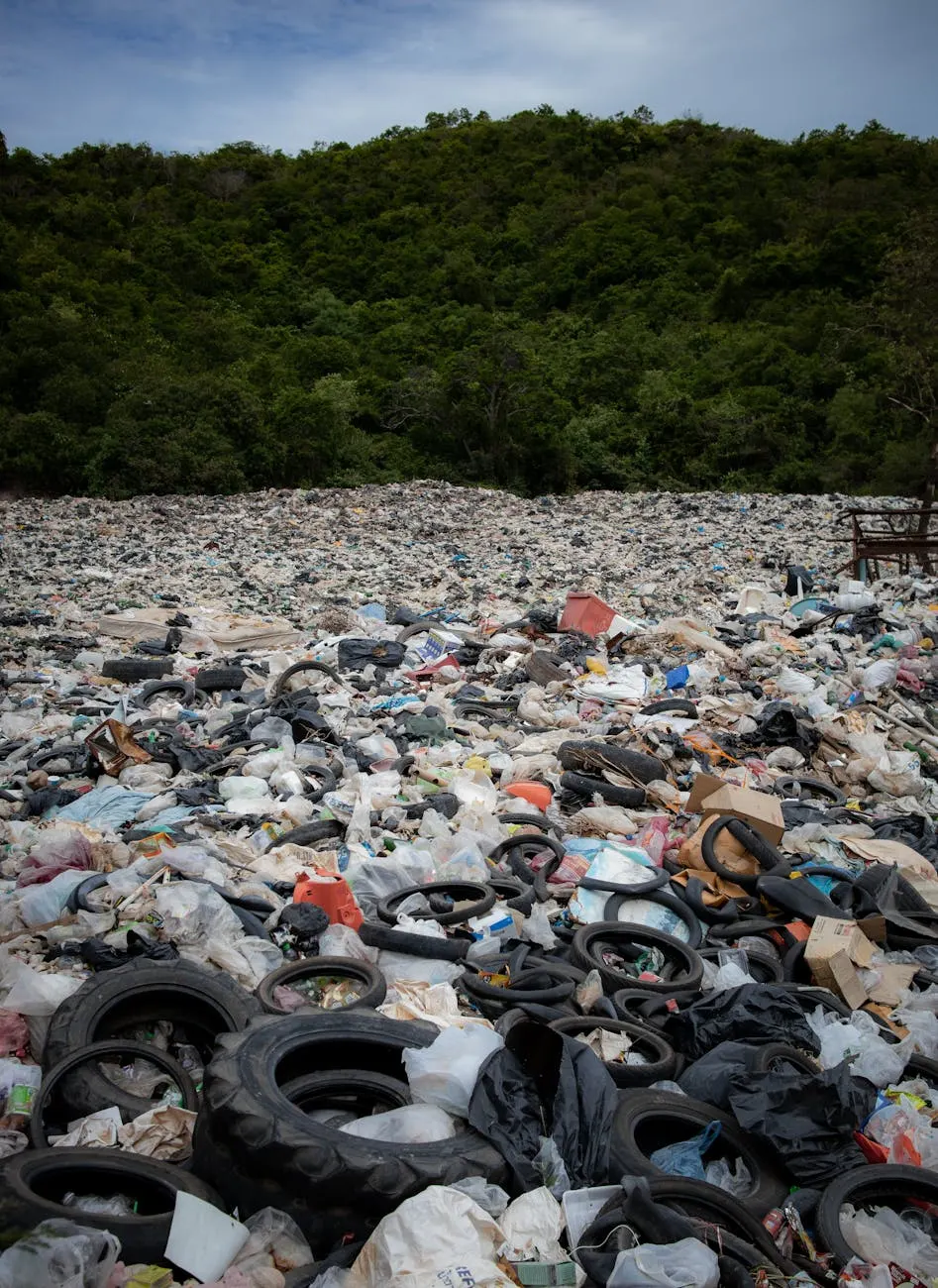
Ever wondered where your trash goes after you toss it? 🚮 Edward Humes’ book Garbology gives you the lowdown. Spoiler alert: it doesn’t just vanish into thin air. A lot of our garbage ends up in huge landfills, miles away from our daily lives. These places are more than just eyesores. They are environmental nightmares. They leak all sorts of nasty stuff into the earth and water.
Where Most of Our Waste Ends Up
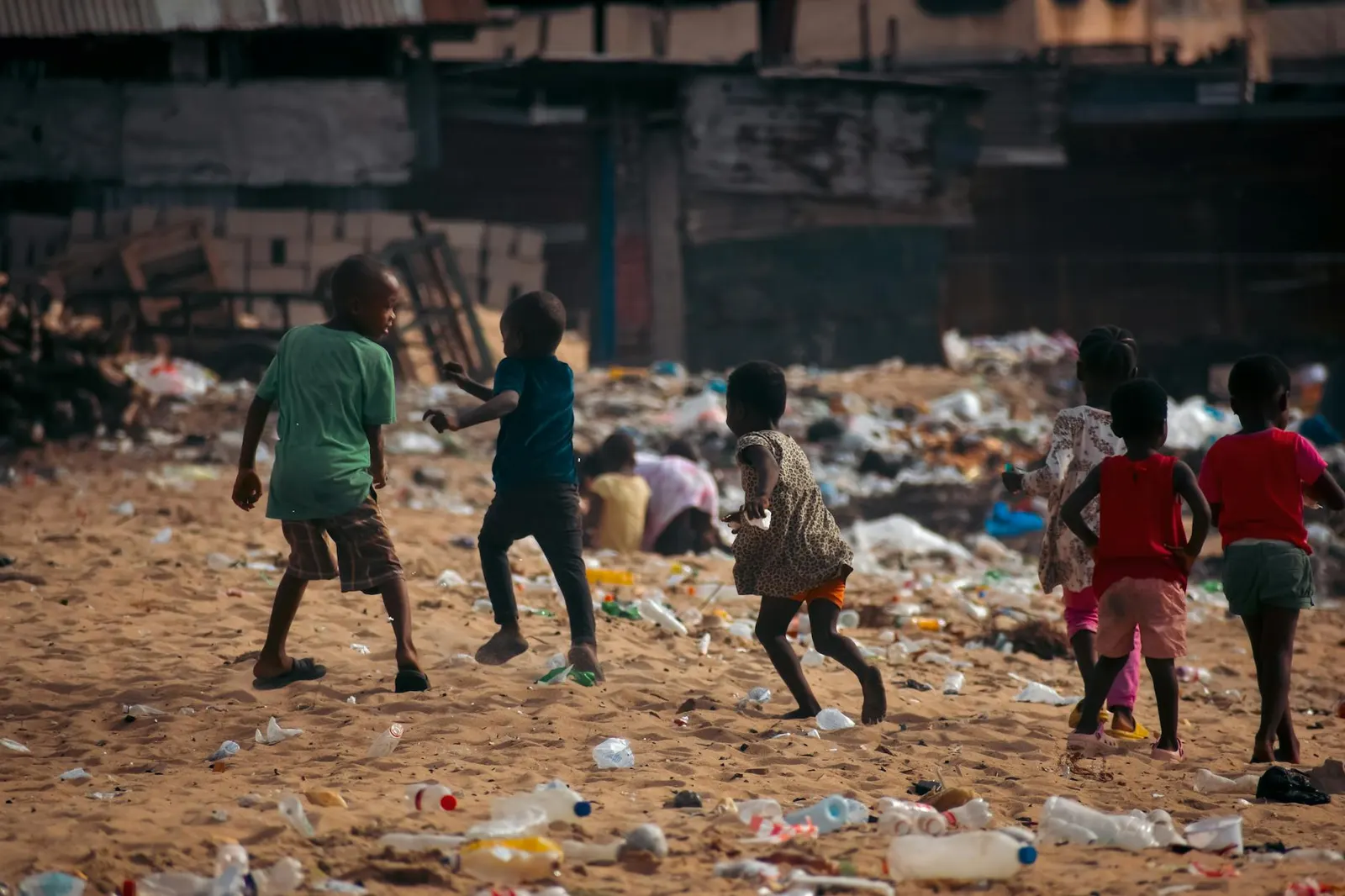
And get this, a chunk of our waste doesn’t even stay close to home. 🌏 We ship it off to developing countries. These are places where the rules aren’t as strict. People there are forced to live among heaps of trash. It’s a harsh reality that hits the poorest communities the hardest.
Where This Consumerism Was Born
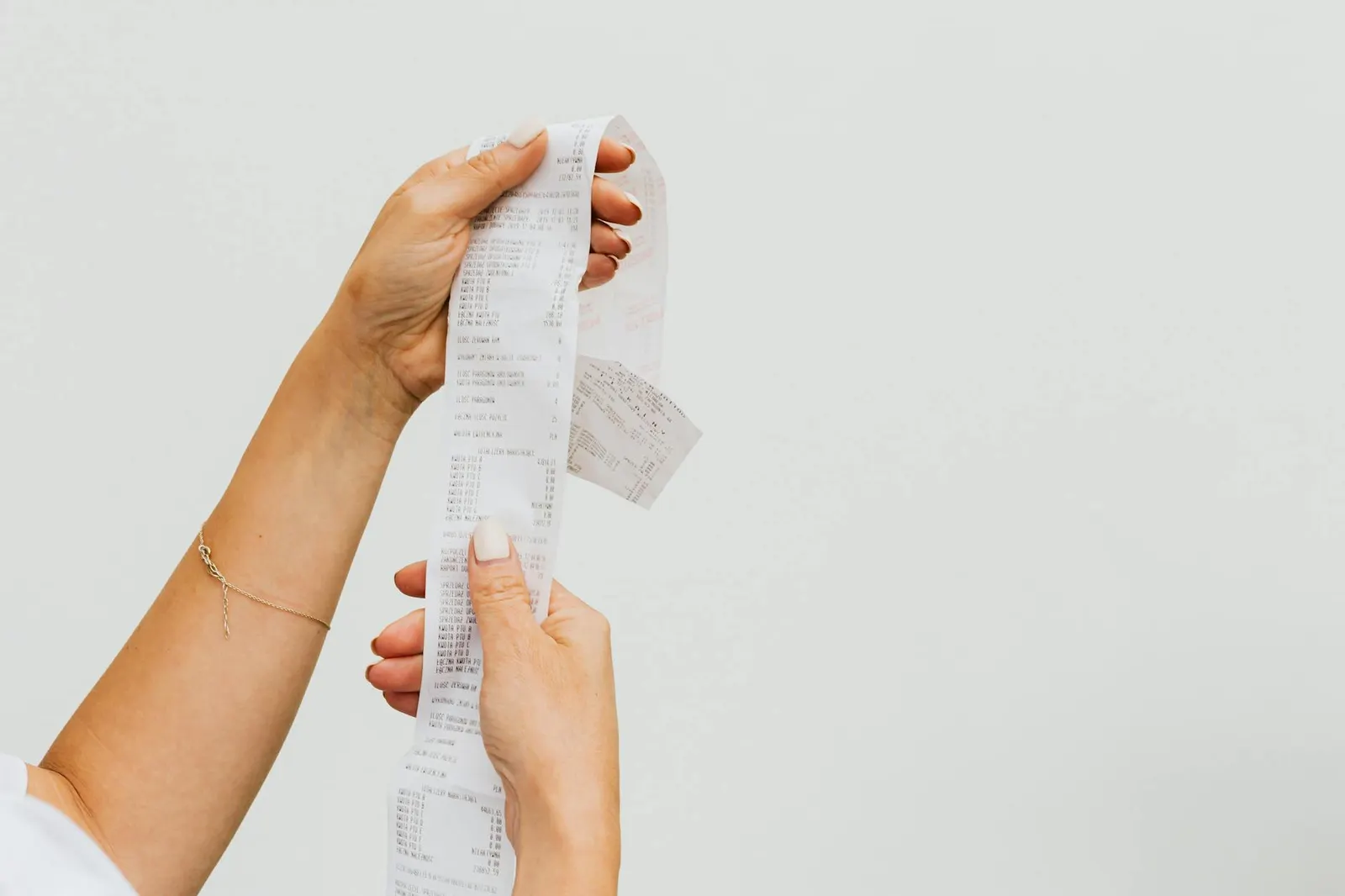
How did we get here? Well, our modern consumer habits kicked off post-World War II. 🛍️ The boom led to an obsession with having more – more stuff, more convenience, and inevitably, more waste. We’ve been trained to throw away and buy new, instead of fixing and keeping. Humes points out that our problem isn’t just the waste itself, but the mindset that comes with it.
What We Can Do to Lessen the Blow
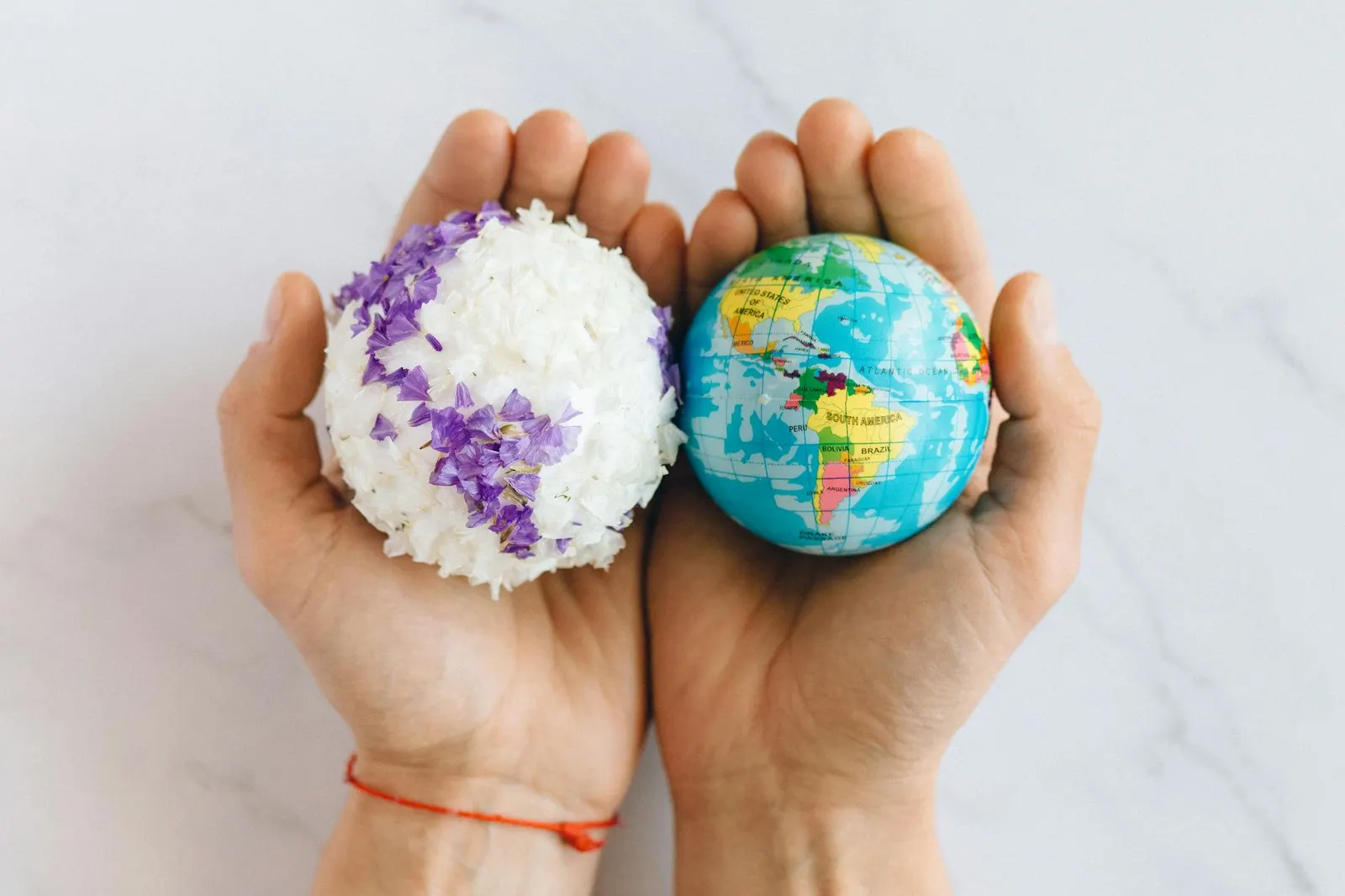
So, what can we do about it? It starts with being informed and making small, impactful changes. 🌱 Yes, reduce, reuse, and recycle, but also push for tougher waste management laws and back businesses that go green. Learn about the real cost of our waste. Educate others about this as well. Make choices that reflect a commitment to a cleaner world.
Use reusable shopping bags: Keep a few in your car or bag to avoid using plastic bags.
Say no to single-use plastics: Opt. for items like stainless steel straws and reusable water bottles.
Buy in bulk: Reduce packaging waste by purchasing products in larger quantities.
Compost food scraps: Turn your kitchen waste into valuable compost for your garden.
Repurpose glass jars: Use them for storage or DIY projects instead of discarding them.
Donate unwanted items: Give clothes, books, and household goods a new life by donating them.
Repair before replacing: Fix broken items to extend their life and reduce waste.
Opt for digital receipts: Choose e-receipts to cut down on paper waste.
Plan meals: Minimize food waste by planning meals and buying only what you need.
Choose products with minimal packaging: Support brands that prioritize eco-friendly packaging.
By rethinking how we deal with waste, we can start to make a difference. Let’s turn this eye-opening truth into a rallying cry, and change our habits for the better. 💪
Sources:
- Humes, E. (2012). Garbology: Our Dirty Love Affair with Trash. Penguin Group.
- “History 101.” Netflix, 2020. Episode on Garbage and Recycling.
.