 Angelica Rhoda
Travel
The Ancient Art of Fire: From Aboriginal Wisdom to Modern Environmental Management
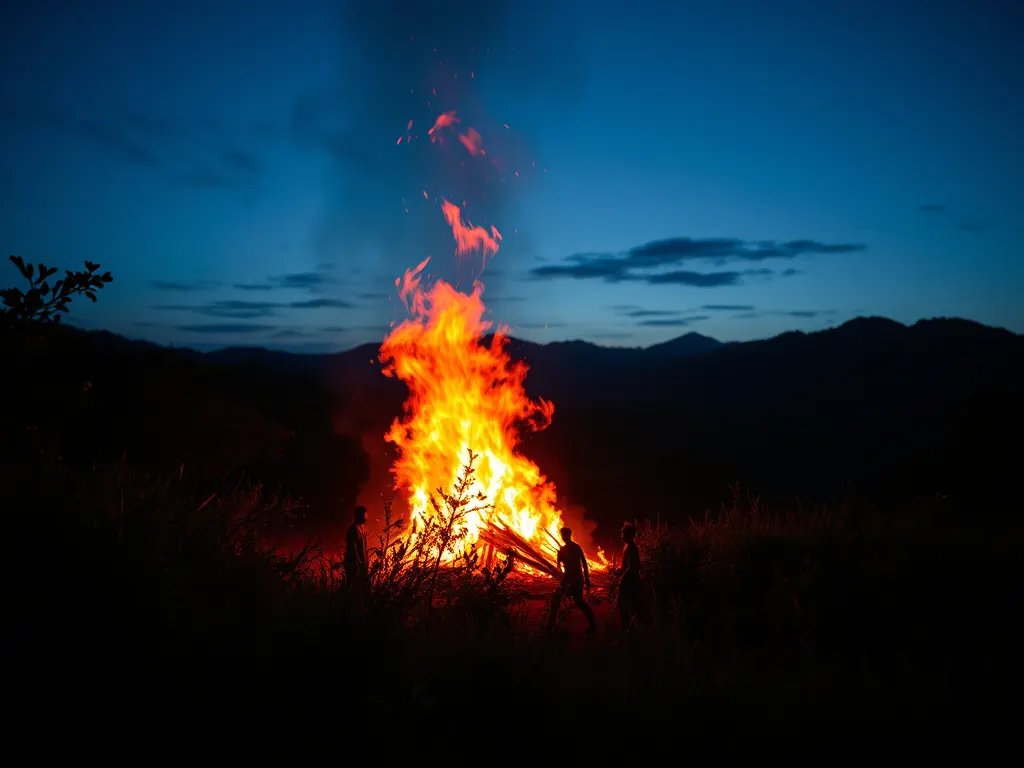
Imagine a world where fire is not a destructive force but a tool of renewal and balance. While keeping up-to-date with the California fires debacle. I stumbled on a Youtube video showing how people have and are literally fighting fire with fire. Many Aboriginal and Indigenous cultures have lived this reality. They have harnessed the power of controlled fires for thousands of years. Today, this ancient practice is making a comeback in modern environmental and fire management in Australia and South Africa.
- A Historical Perspective
- Modern Applications in Australia
- Fire Management in South Africa
- Interesting Facts
- Conclusion
A Historical Perspective
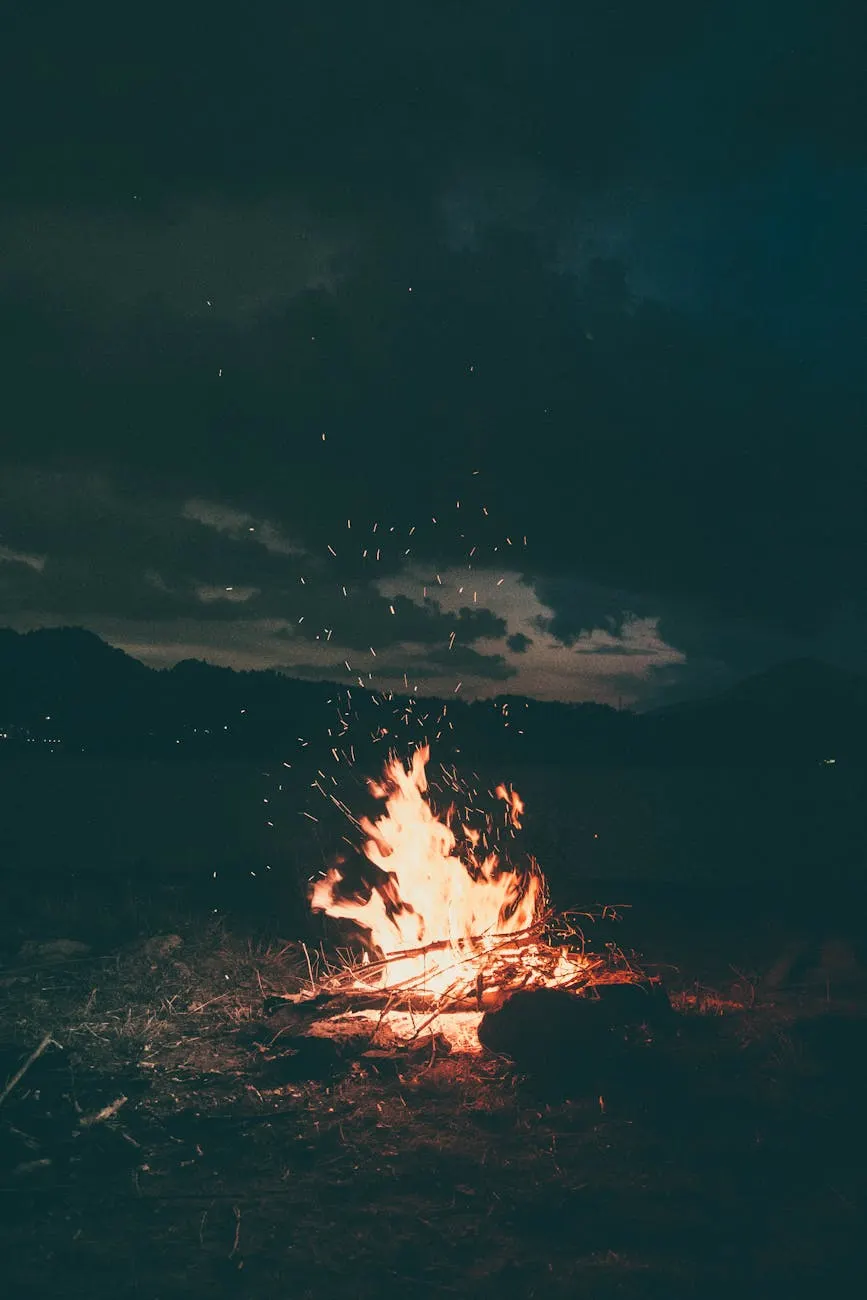
For millennia, Aboriginal Australians have used fire to manage their land, a practice known as “cool burning” or “cultural burning”. These controlled fires were set during cooler parts of the day to clear underbrush. They promoted new growth and created habitats for small animals. This method not only prevented larger, more destructive wildfires but also maintained the health of the ecosystem.
Similarly, Native American tribes in the United States used fire to manage their landscapes. They employed controlled burns to clear areas for crops, manage hunting grounds, and promote the growth of certain plant species. These practices were integral to their way of life and helped maintain ecological balance.
Modern Applications in Australia
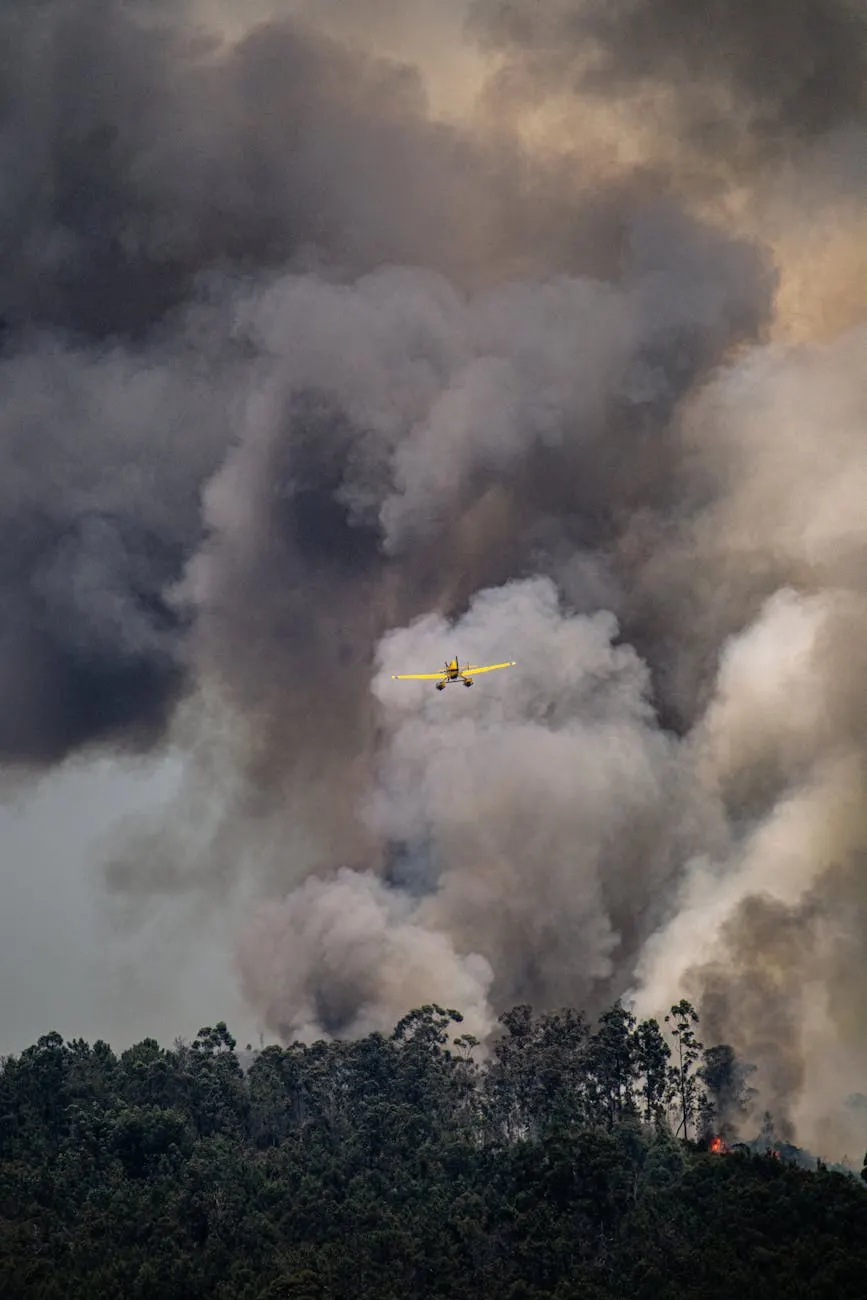
In recent years, Australia has seen a resurgence of interest in traditional fire management techniques. The devastating bushfires of 2019-2020, known as the “Black Summer,” highlighted the need for effective fire management strategies. As a result, there has been a renewed focus on incorporating Aboriginal fire practices into modern fire management.
Prescribed burning, a technique inspired by traditional cool burning, is now widely used in Australia to reduce wildfire risk. Land managers prevent the build-up of flammable materials by carefully controlling the timing and intensity of these burns. They protect both human and ecological communities.
Fire Management in South Africa
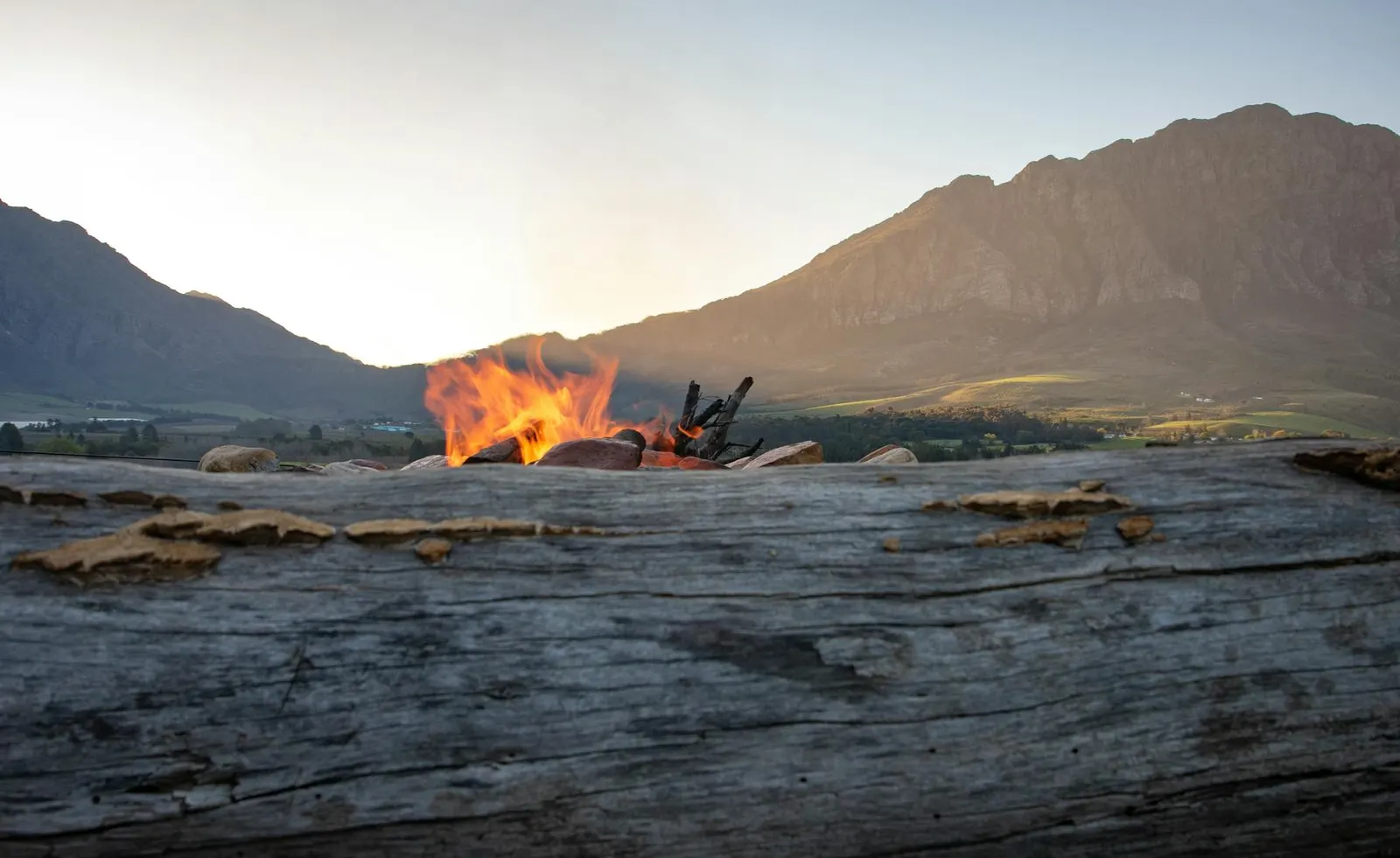
South Africa, too, has embraced the wisdom of controlled burning. In the savanna regions, fire naturally plays a part in the ecosystem. Indigenous communities have long used it to manage the land. Today, these practices are being integrated into modern fire management strategies. This integration helps address the challenges posed by climate change and increasing wildfire risks.
One notable example is the use of savanna burning emissions abatement schemes. These schemes aim to reduce greenhouse gas emissions by managing fire regimes. Inspired by Aboriginal practices in Australia, these schemes involve early dry-season burns. This strategy helps prevent larger, more destructive fires later in the season.
Interesting Facts
- Aboriginal Australians have been using fire for land management for over 65,000 years.
- Controlled burns can help rejuvenate local flora and protect native animal habitats.
- In South Africa, controlled burns are used to maintain the health of savanna ecosystems and reduce wildfire risks.
Conclusion
The ancient art of controlled burning is proving to be a valuable tool in modern environmental and fire management. Australia and South Africa draw on the wisdom of Aboriginal and Native cultures. They are finding innovative ways to protect their landscapes. These strategies help shield communities from the threat of wildfires.
References: