 Angelica Rhoda
Live
Healing Herbs: Discover South Africa’s Indigenous Plant Treasures
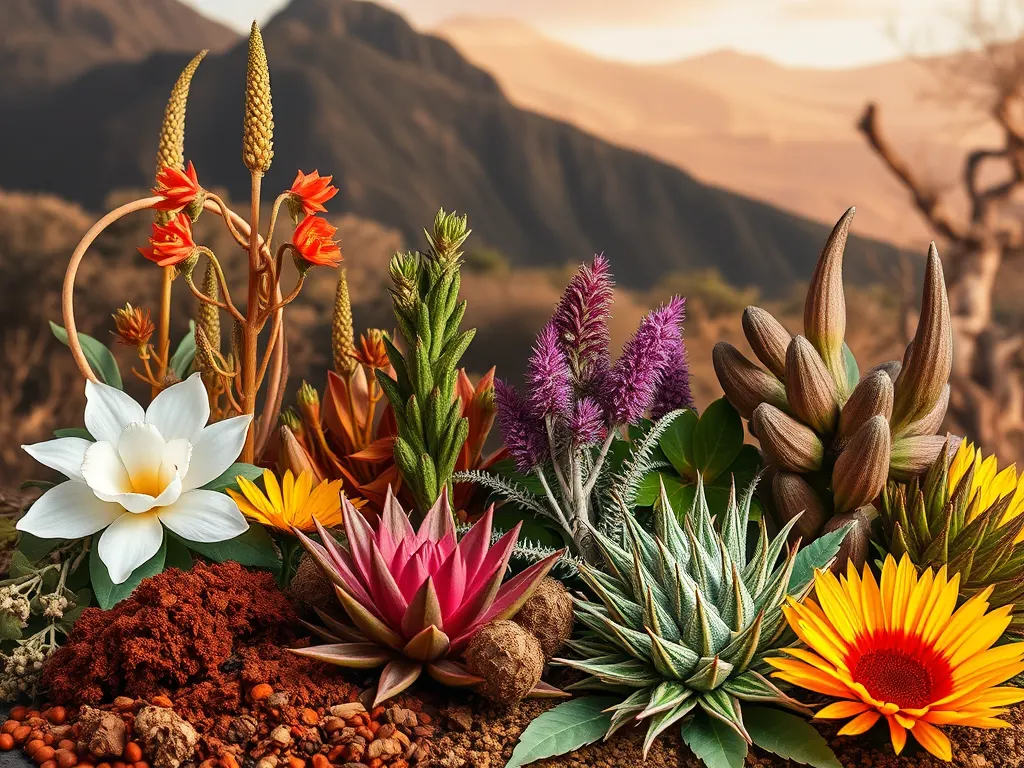
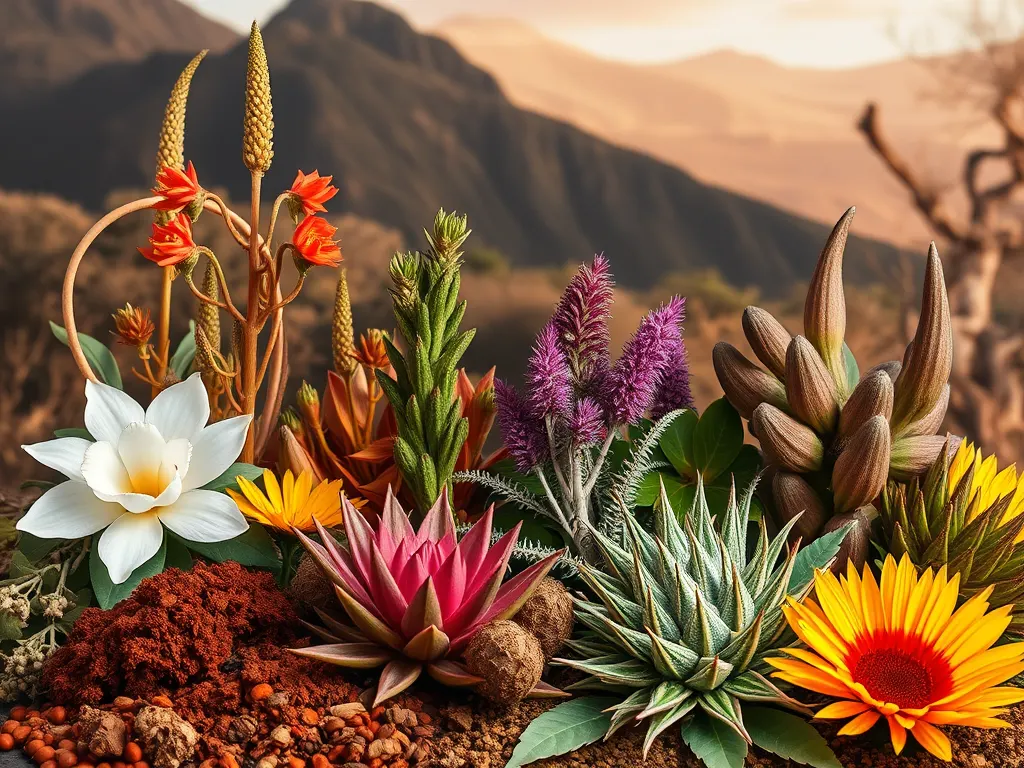
South Africa has many native plants that are important to its culture. These plants are known for their uses in medicine, cooking, and daily life. People have shared this knowledge through many generations. They are essential for the environment and play a key role in traditional healing and daily activities. Understanding and valuing these plants helps support sustainable practices and protect biodiversity.
- Rooibos (Aspalathus linearis)
- Buchu (Agathosma betulina)
- Hoodia (Hoodia gordonii)
- Devil’s Claw (Harpagophytum procumbens)
- Honeybush (Cyclopia intermedia)
- Conclusion
Rooibos (Aspalathus linearis)
Uses: Rooibos is a popular herbal tea. It is known for its antioxidant properties. The health benefits include improving digestion and relieving allergies. Where Found: Western Cape Discovery: Discovered by the indigenous Khoisan people. Tip: Brew a cup of rooibos tea for a soothing, caffeine-free alternative to coffee. Fact: Antioxidants in rooibos can help protect cells from damage. Source: Journal of Food Science and Technology
Cautions: Excessive consumption may interfere with iron absorption. Consult a healthcare professional if you have iron deficiency.
Buchu (Agathosma betulina)
Uses: Traditionally used for urinary tract infections, stomach ailments, and as a diuretic. Where Found: Western Cape Discovery: Known to South African healers for centuries. Tip: Add buchu leaves to your bath for a refreshing and therapeutic soak. Fact: Buchu has anti-inflammatory properties that can help reduce swelling. Source: South African Journal of Botany
Cautions: High doses may cause liver damage and increased menstrual flow. Not recommended during pregnancy.
Hoodia (Hoodia gordonii)
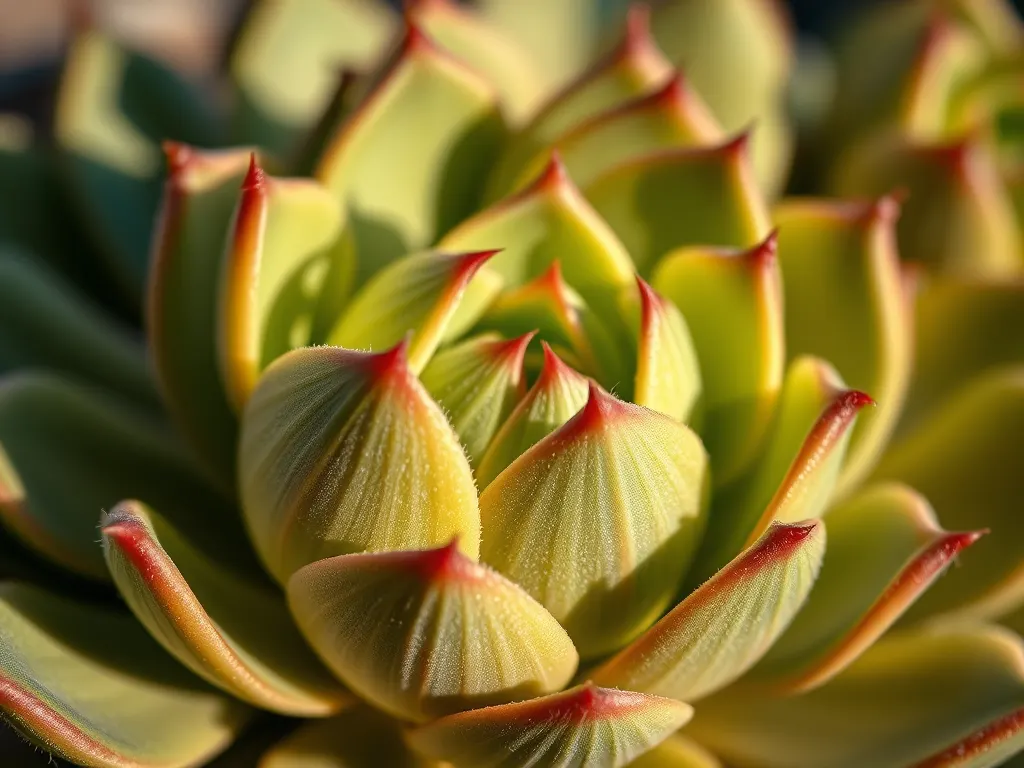
Uses: Used by the San people as an appetite suppressant and thirst quencher. Where Found: Kalahari Desert Discovery: Gained global popularity as a potential weight loss aid. Tip: Use hoodia in moderation and consult a healthcare professional before trying it. Fact: The active molecule P57 in hoodia is believed to reduce hunger. Source: Phytochemistry
Cautions: May increase blood pressure and heart rate. Diabetics should be cautious due to potential effects on blood sugar levels.
Devil’s Claw (Harpagophytum procumbens)
Uses: Known for its anti-inflammatory properties, used to alleviate joint pain and digestive disorders. Where Found: Northern Cape and North-west Province Discovery: Used traditionally by indigenous communities. Tip: Incorporate devil’s claw supplements into your routine for joint health. Fact: Devil’s claw may help reduce osteoarthritis pain. Source: Cochrane Database of Systematic Reviews
Cautions: Can cause stomach upset, diarrhea, and loss of appetite. May increase the risk of bleeding.
Honeybush (Cyclopia intermedia)
Uses: Known for its soothing properties, often used to treat colds, infections, and insomnia. Where Found: Eastern and Western Cape Discovery: Indigenous to the region and used by local tribes. Tip: Enjoy honeybush tea in the evening for a relaxing, caffeine-free beverage. Fact: Honeybush contains antioxidants that can promote good health. Source: South African Journal of Botany
Cautions: Rare allergic reactions are possible. Consult a healthcare provider if you are on medication.
Conclusion
Exploring South African indigenous plants opens up a world of natural remedies and culinary delights. By incorporating these plants into your daily life, you can enjoy their benefits and connect with nature.
References
- Africa Geographic
- Briefly.co.za
- Farmers Magazine
- Nature SA