 Angelica Rhoda
Travel
COP26 & Indigenous Voices: A Guide for Dummies
- What on Earth is COP26?
- Who Are the Indigenous People and Why Are They Rockstars?
- Why South Africa Should Stand Up
- Your Action Plan: Step-by-Step
COP26 stands for the 26th Conference of the Parties to the United Nations Framework Convention on Climate Change (UNFCCC). Climate change, you feel it every day. In November 2021, the COP26 annual summit in Glasgow did more than just lay down policies; it let legendary Indigenous voices take centre stage. These voices come from communities with thousands of years of experience living harmoniously with the Earth. Their insights aren’t just historical notes. Let’s break it down.
What on Earth is COP26?

Think of COP26 as the world’s biggest team huddle against climate chaos. Leaders, scientists, and everyday heroes met in Glasgow to map out a plan to slow down global warming. The mission was simple: cut harmful emissions and get serious about protecting our planet. It was humanity’s way of saying, “Time to fix our future, together.” This summit broke new ground by not only focusing on high-level policies but by welcoming deep-rooted Indigenous wisdom into the mainstream conversation.
Who Are the Indigenous People and Why Are They Rockstars?
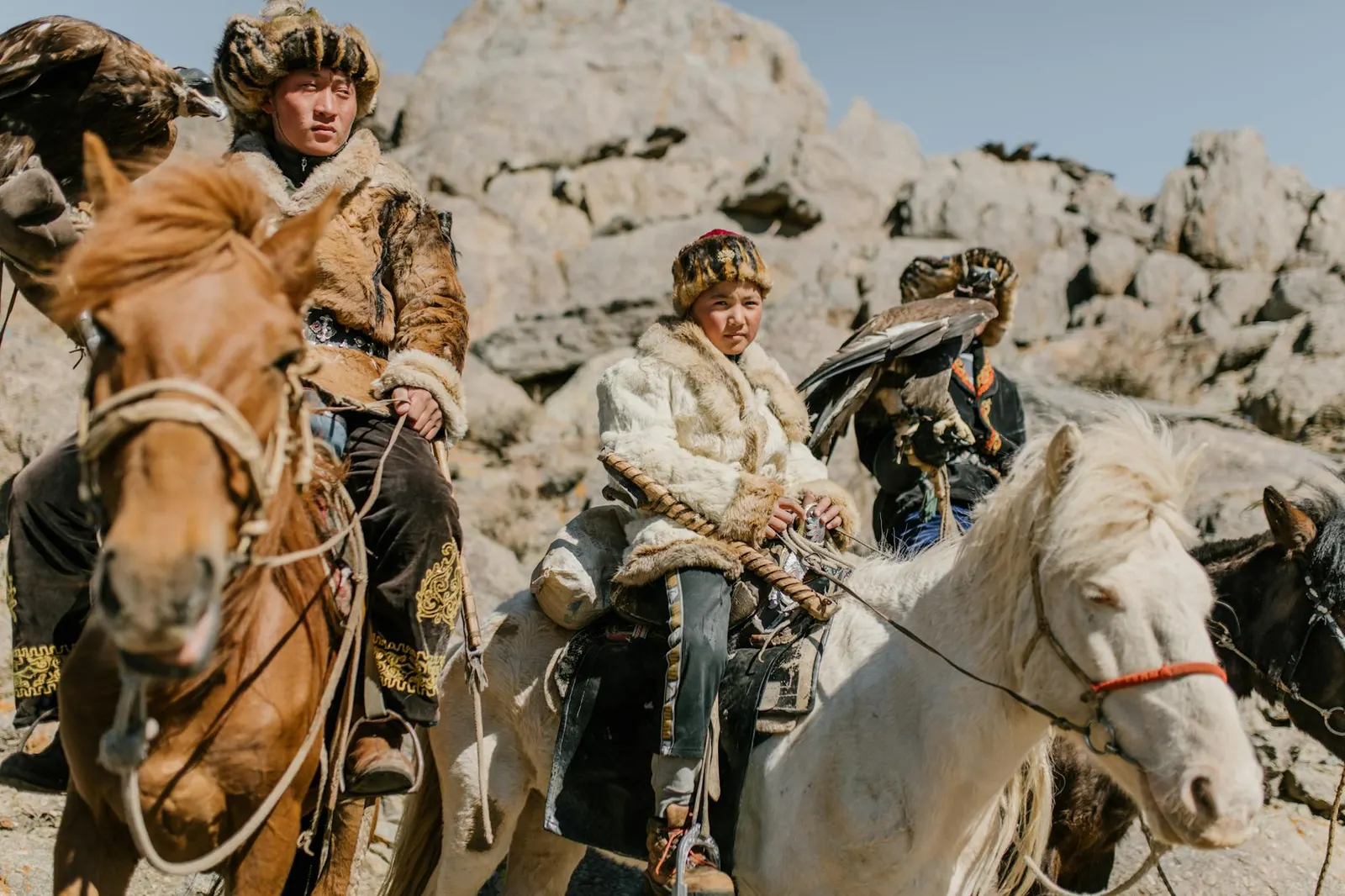
Indigenous people are the original earth custodians. With an intimate, hands-on understanding of nature passed down through generations, they offer a natural cheat sheet for sustainable living. At COP26, their voices finally got the megaphone they deserve. Their methods are simple, they’re about respect, balance, and survival in line with the land. These timeless practices challenge modern techniques, proving that sometimes the best advice has been with us all along.
Why South Africa Should Stand Up
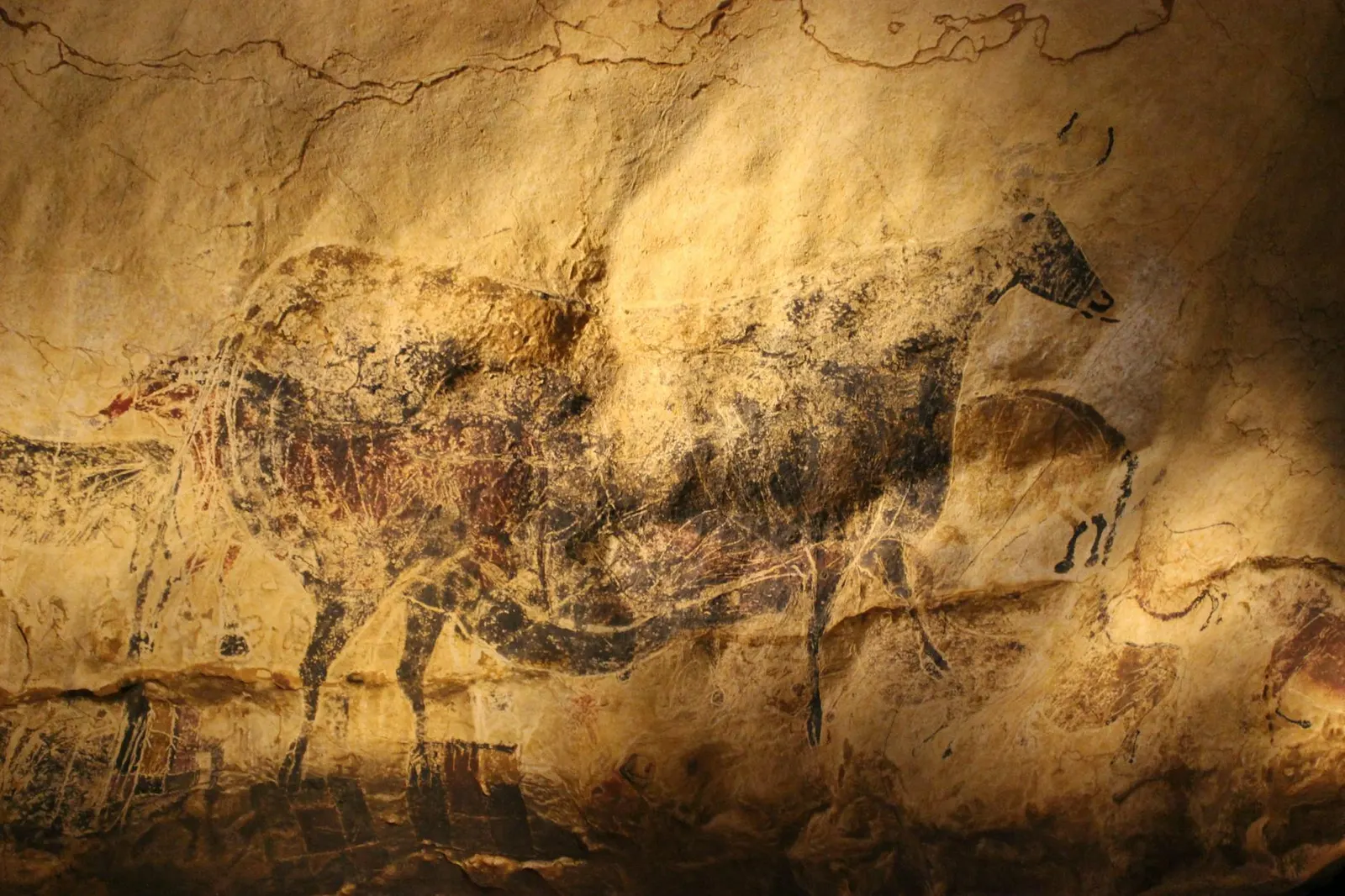
Here in South Africa, the challenges of drought, erratic weather, and soil erosion aren’t just stats, they’re part of our everyday life. One striking statistic that underlines these challenges is that soil degradation alone costs South Africa nearly R2 billion per annum. This comes largely from the erosion of arable lands, a process that not only diminishes our productive land but also leads to increased siltation of dams and higher water purification costs. Our very own Khoi-San and other local communities have been perfecting sustainable living long before big global summits existed. Their practices offer simple, practical solutions that speak directly to our struggles. Merging modern technology with these traditional methods could be the secret sauce for a more resilient and thriving South Africa.
Your Action Plan: Step-by-Step
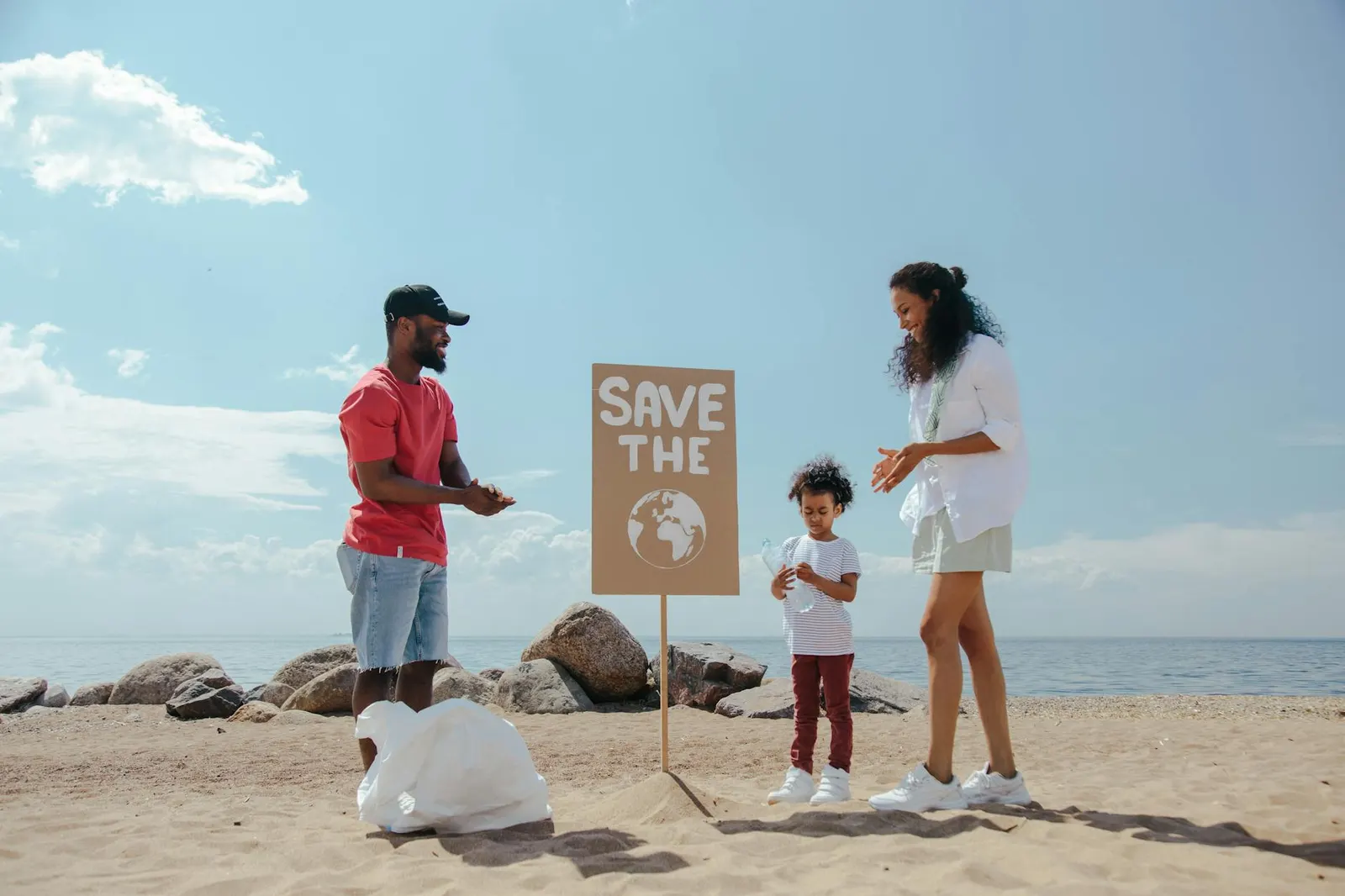
Ready to transform inspiration into action?
- Stay Curious: Watch documentaries, tune in to local talks, or simply chat with community elders. Learn directly from the source.
- Support Local Heroes: Get behind projects that combine Indigenous wisdom with modern innovation. Whether it’s a community garden or a water-saving initiative, your support makes waves.
- Adopt a Hybrid Lifestyle: Mix traditional methods with your daily routine. Save water like our ancestors did, and explore natural ways to manage waste and grow food.
- Spread the Iconic Word: Share this guide, spark conversations, and lead by example. Real change is contagious!
Now is the time to be unapologetically bold. Ditch the empty slogans and jump into action. Ask yourself: What’s that one small, brave step you can take today to channel the legendary spirit of our ancestors? Whether it’s joining a local environmental project, rethinking your daily habits, or starting a conversation about sustainability. Your actions hold the power to spark a movement that respects tradition and charges ahead with modern energy.
References
- InsightShare (2021) Listening to the Land: Indigenous Voices @ COP26. Available at: https://insightshare.org/listening-to-the-land-indigenous-voices-cop26
- University of Cape Town – National Fact Sheet on Land Degradation in South Africa.
- Bloom, K. (2021) ‘Environmental racism: COP26 failed the indigenous people of the world’, Daily Maverick, 17 November. Available at: https://www.dailymaverick.co.za/article/2021-11-17-environmental-racism-cop26-failed-the-indigenous-people-of-the-world/
- Raffaeli, V. (2022) ‘Post COP26 Analysis: A Focus on Indigenous Inclusion’, ClimaTalk. Available at: https://climatalk.org/2022/02/21/cop26-indigenous-communities-inclusion/