 Angelica Rhoda
Eat
Are Seed Oils Good for You?
The debate around seed oils has been heating up for a while now. But it’s time we set the record straight. Some people still cling to the idea that these oils are harmful. However, evidence overwhelmingly shows that when used correctly, seed oils can offer numerous health benefits.
- The Health Benefits of Seed Oils
- Expert Opinion on Seed Oils: Dr. Mary Enig’s Insights
- The Controversy: Where It All Began
- Imbalance
- What does this mean for you and your everyday cooking?
- Conclusion
The Health Benefits of Seed Oils

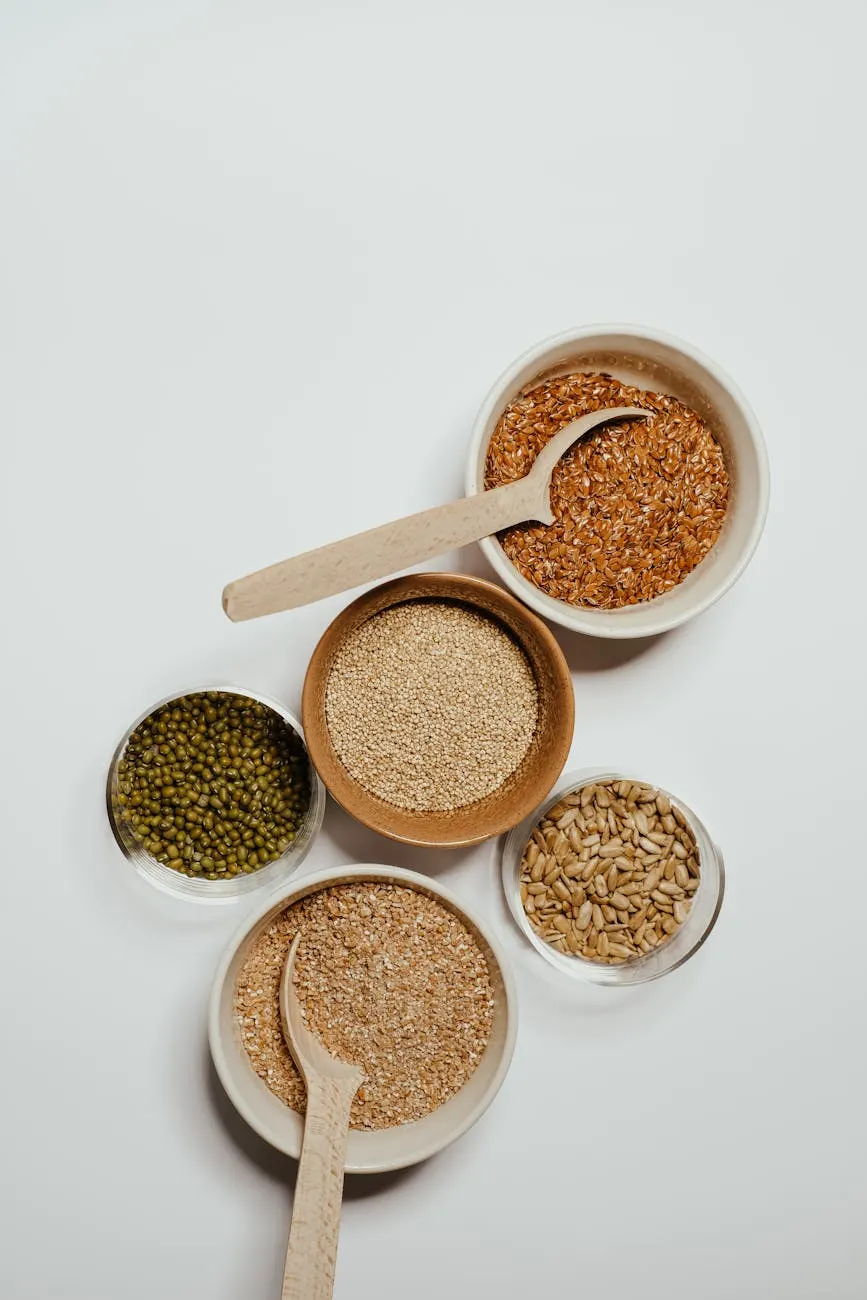
To truly understand the benefits of seed oils, we have to look at what the experts are saying. Nutritionists and scientists have discovered that many seed oils are rich in essential fatty acids, antioxidants, and vitamins. For instance, sunflower oil is loaded with vitamin E, which is great for skin health. Flaxseed oil is a fantastic source of omega-3 fatty acids, which can help reduce inflammation and support heart health.
Expert Opinion on Seed Oils: Dr. Mary Enig’s Insights

According to Dr. Mary Enig, a well-known nutrition expert, “Seed oils, in moderation, can be part of a healthy diet. They provide essential nutrients that our bodies cannot produce on their own.” This doesn’t mean you should drench your salads in oil. However, incorporating seed oils in your cooking can be a healthy choice. Adding them to meal prep is another good option.
The Controversy: Where It All Began
The controversy around seed oils started back in the 1950s when studies linked saturated fats to heart disease. People began looking for alternatives, and seed oils, being high in unsaturated fats, seemed like a better choice. However, over the years, seed oils got a bad rap. There were concerns about their omega-6 fatty acid content. In excess, this can lead to inflammation.
Imbalance
This concern increased because many processed foods are high in omega-6-rich seed oils. This leads to an imbalance in the average diet. The key here is balance. Our bodies need both omega-3 and omega-6 fatty acids to function properly. Problems arise when there’s an overabundance of one over the other.
What does this mean for you and your everyday cooking?
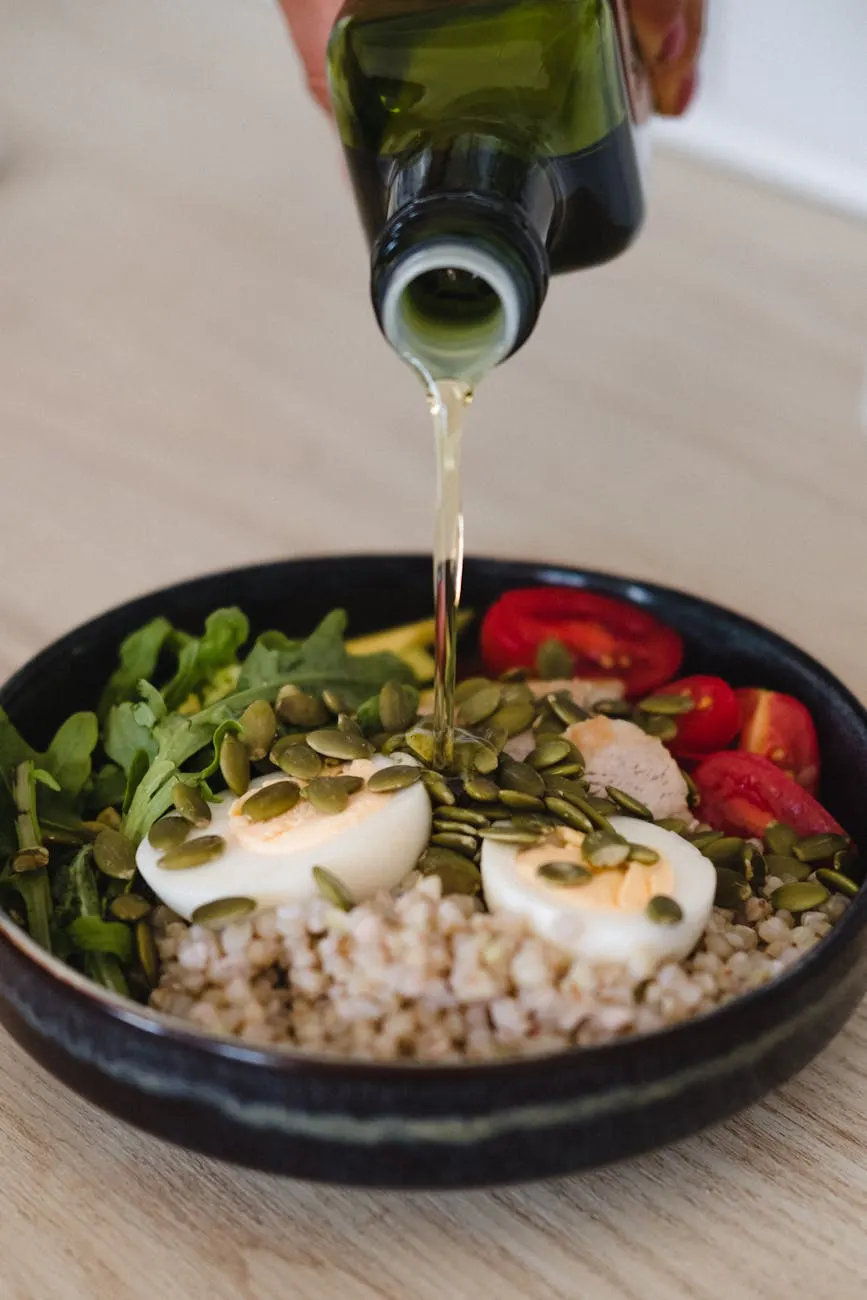
Seed oils can be part of a balanced and healthy diet. Use them thoughtfully and in moderation. Think of them as a tool in your culinary toolkit. Use sunflower oil for its high smoke point when frying. Drizzle flaxseed oil over your salad for an omega-3 boost.
Conclusion
Remember, the goal is to enjoy a diverse diet. Don’t fear seed oils, but don’t rely on them exclusively either. Balance is the spice of life – and your kitchen. So, go ahead and experiment with different oils and recipes. Your taste buds and your body will thank you.
References
1. Enig, M. G. (2000). Know Your Fats: The Complete Primer for Understanding the Nutrition of Fats, Oils, and Cholesterol. Bethesda Press.
2. Simopoulos, A. P. (2008). The importance of the omega-6/omega-3 fatty acid ratio in cardiovascular disease and other chronic diseases. Experimental Biology and Medicine, 233(6), 674-688.
3. Willett, W. C., Sacks, F., Trichopoulou, A., Drescher, G., Ferro-Luzzi, A., Helsing, E., & Trichopoulos, D. (1995). Mediterranean diet pyramid: a cultural model for healthy eating. The American Journal of Clinical Nutrition, 61(6), 1402S-1406S.
4. Kris-Etherton, P. M., & Hill, A. M. (2008). N-3 fatty acids: food or supplements? Journal of the American Dietetic Association, 108(7), 1125-1130.
5. Calder, P. C. (2010). Omega-3 fatty acids and inflammatory processes: from molecules to man. Biochemical Society Transactions, 38(1), 211-215.