 Angelica Rhoda
Eat
AI Meal Planning vs. Traditional Cooking
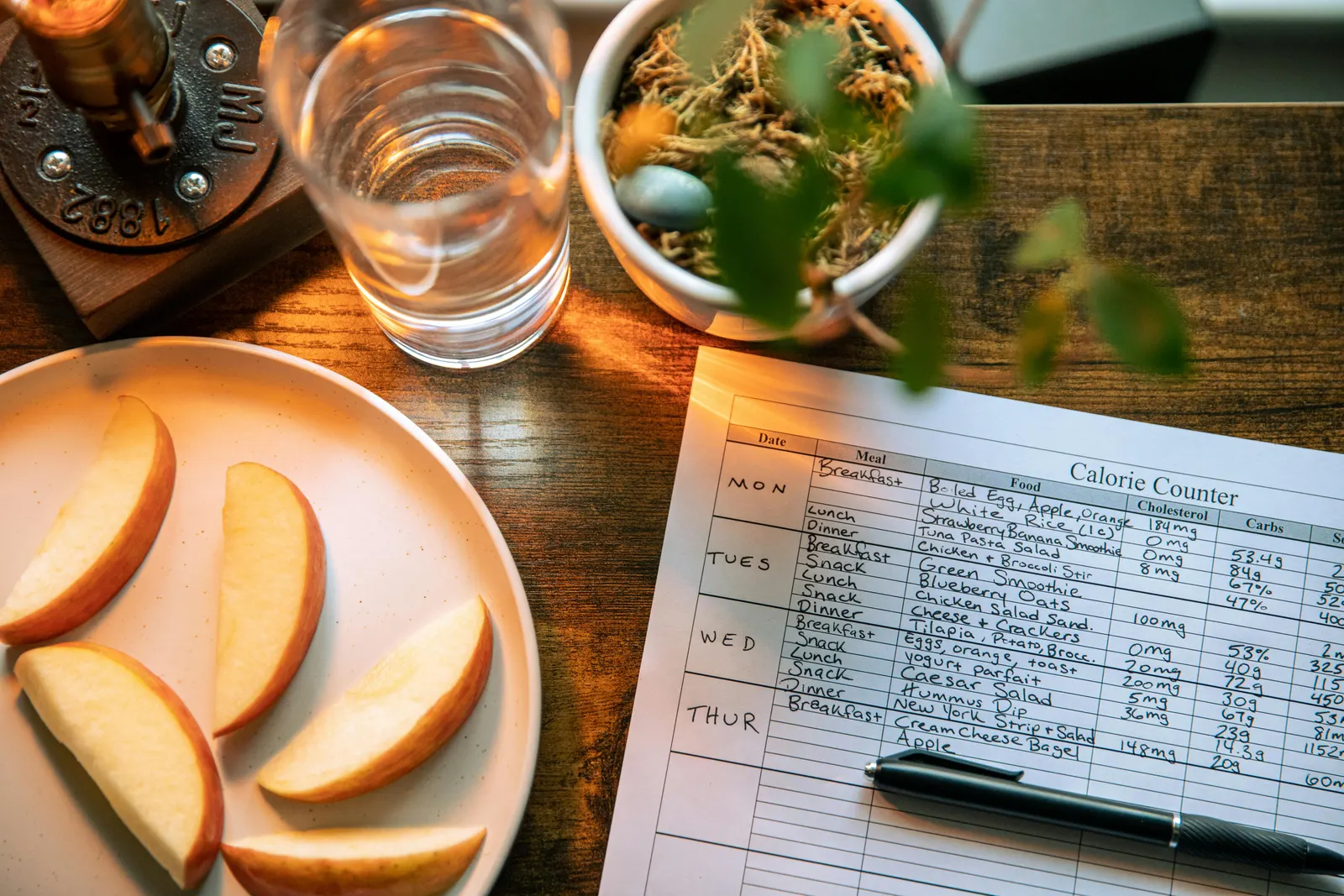
Meal planning has always been a cornerstone of healthy, balanced living. In 2026, artificial intelligence (AI) has entered the kitchen, offering smart solutions for everything from grocery lists to personalised recipes. But how does this compare to the timeless art of traditional cooking, where intuition, culture, and creativity reign supreme?
🤖 AI Meal Planning
- Efficiency: AI apps can generate weekly meal plans in seconds, tailored to dietary needs and budgets.
- Personalisation: Algorithms adapt to preferences, allergies, and even local supermarket specials.
- Data-driven health: AI integrates with fitness trackers to suggest meals aligned with calorie goals and nutritional balance.
- Convenience: Automated shopping lists and delivery integrations save time.
🍲 Traditional Cooking
- Cultural heritage: Recipes passed down through generations connect us to family and community.
- Creativity: Cooking by feel allows experimentation and improvisation.
- Mindfulness: Preparing meals by hand fosters presence and appreciation for ingredients.
- Social connection: Cooking together builds relationships and traditions.
⚖️ Comparison Table
| Aspect | AI Meal Planning | Traditional Cooking |
|---|---|---|
| Speed | Instant plans and lists | Time-intensive, requires preparation |
| Personalisation | Highly tailored via algorithms | Based on intuition and taste |
| Cultural Value | Limited, tech-driven | Deeply rooted in heritage |
| Creativity | Structured, recipe-based | Free-flowing, experimental |
| Social Connection | Minimal, often solo | Strong, communal |
🌍 Local Angle: Cape Town Kitchens
In Cape Town, AI meal planning apps are gaining traction among busy professionals who want quick, healthy solutions. Yet, traditional cooking remains central to braais, Sunday lunches, and township food culture. The balance lies in blending both worlds: using AI for weekday efficiency while embracing traditional cooking for weekends and gatherings.
AI meal planning offers speed, convenience, and health insights, while traditional cooking preserves culture, creativity, and connection. The future of food may not be about choosing one over the other, but about harmonising both approaches to suit modern lifestyles.
How do you balance tech-driven convenience with the joy of cooking? Share your thoughts in the comments below!