 Angelica Rhoda
1-day itinerary · Trip Pass
Bo-Kaap and a Cape Malay cooking class, 1 day
Learn to cook Cape Malay food in a Bo-Kaap home: fold samosas, blend the spices and make a curry or bredie, then eat what you made. With the Bo-Kaap Museum and the spice shops of Wale Street.
Popular with travellers from the UK, Germany, the Netherlands and the US
Updated 15 November 2026
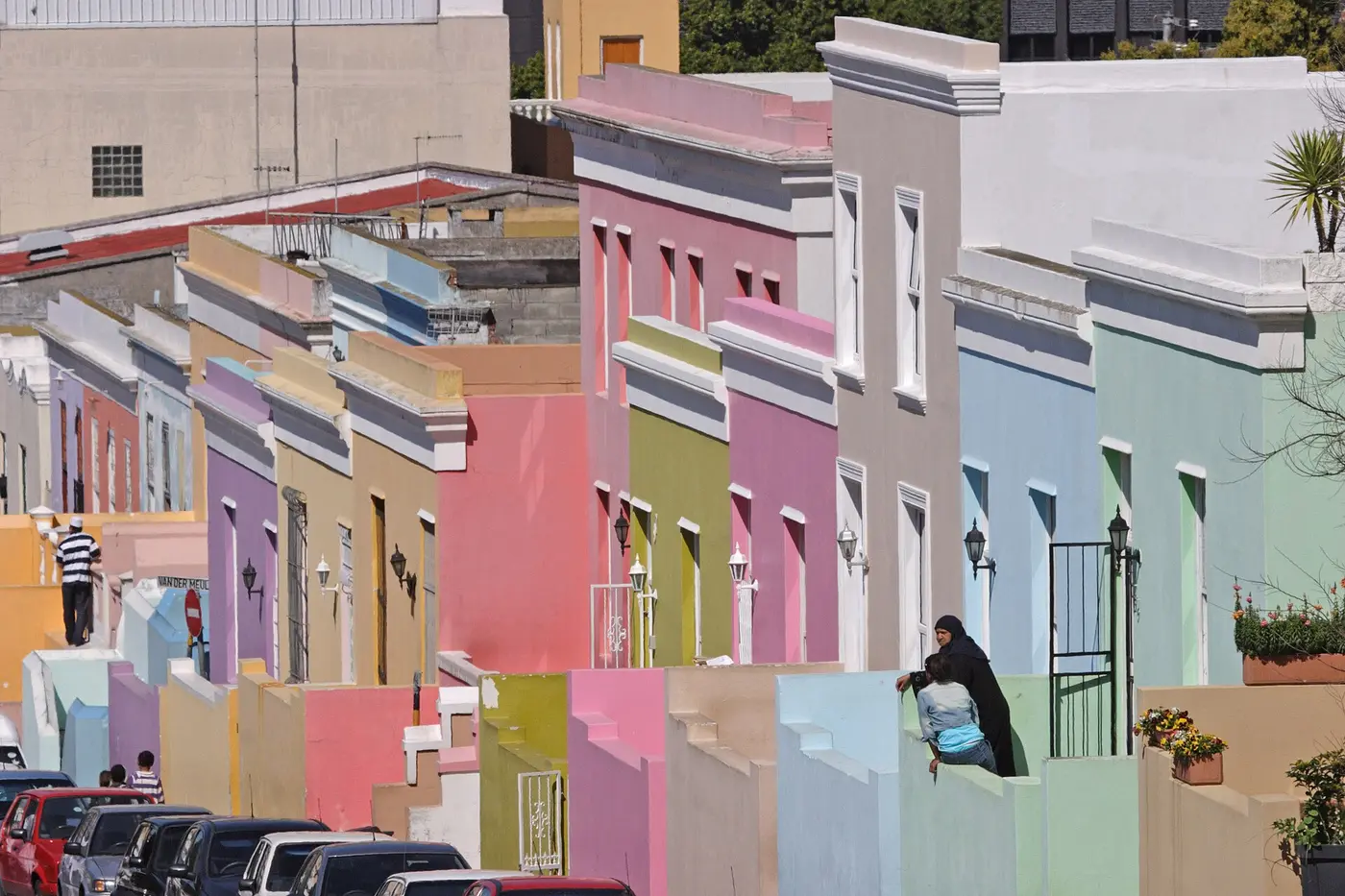
Cape Malay cooking grew from the enslaved and exiled people brought to the Cape from Indonesia, Malaysia, India and East Africa: sweet and spicy, fragrant with cinnamon, cardamom and cloves. The best place to learn it is in a home kitchen in the Bo-Kaap.
Before you start
- Book your class ahead. Most are small groups of up to eight and include lunch.
- Tell your host about allergies and if you are vegetarian. Classes can usually adapt.
- The Bo-Kaap is a living neighbourhood. Be respectful when photographing homes, and dress modestly near the mosques.
Day 1
The Bo-Kaap
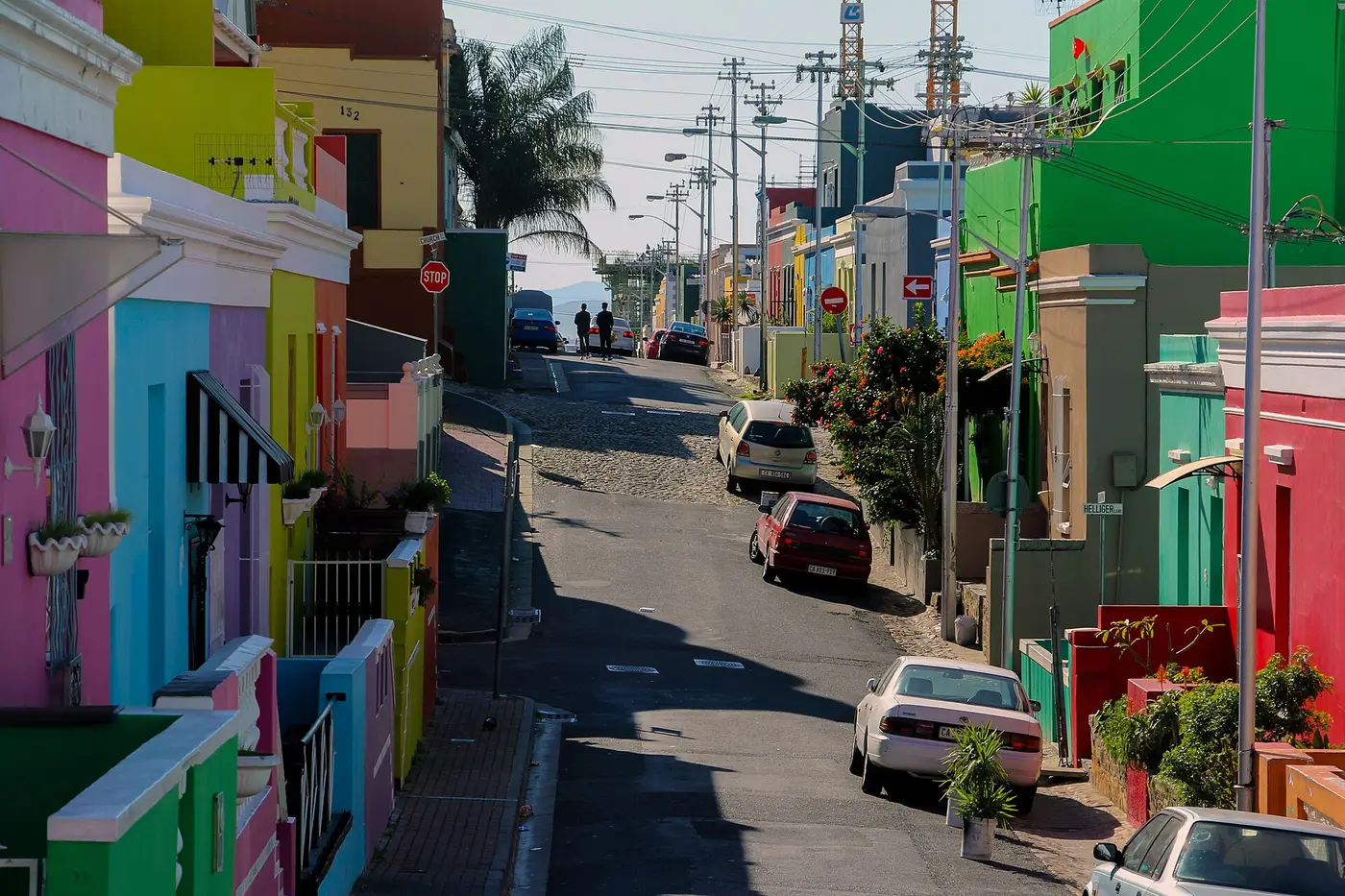
- MorningThe Bo-Kaap Museum on Wale Street, in one of the oldest houses in the Cape still in its original form, for the story of the neighbourhood and its people.
- Late morningCooking class in a Bo-Kaap home. Faeeza's Home Kitchen on Chiappini Street teaches in her own kitchen, and several small-group classes combine a guided walk with a hands-on workshop and a two-course lunch.
- AfternoonBuy the spices you cooked with from the spice shops on Wale Street, and walk the cobbled streets of painted houses.
- EveningSunset from Signal Hill, a short ride up the road.
Today's route
- Bo-Kaap Museum, Wale Street
- Chiappini Street, Bo-Kaap
- Wale Street, Bo-Kaap
- Signal Hill, Cape Town
Carbon emissions today, per person: about 1.2 kg CO2e following this plan, 0.9 kg CO2e with 2 people sharing an average hire car, or 1.7 kg CO2e driving alone.